Bedroom function

Coinciding with the keeping of a diary, in early 1982 I commenced a redecorating of my bedroom at my home in Derby. My parents bought this small new-build estate house when they married, and continue to live there. Subsequently, it provided a continuous base for my years of living at home. As with most teenagers, my bedroom was an enclave and I decorated it as a shrine to reflect my interests in subcultures. This perpetual state of being a hostage to pop music. The room was in a simple box shape and had a basic wardrobe, single bed, low unit with an early ‘music centre’ on top. There may have been a table or desk by the window, I can’t remember, and no photographs survive to show the layout of this small and uninteresting space.
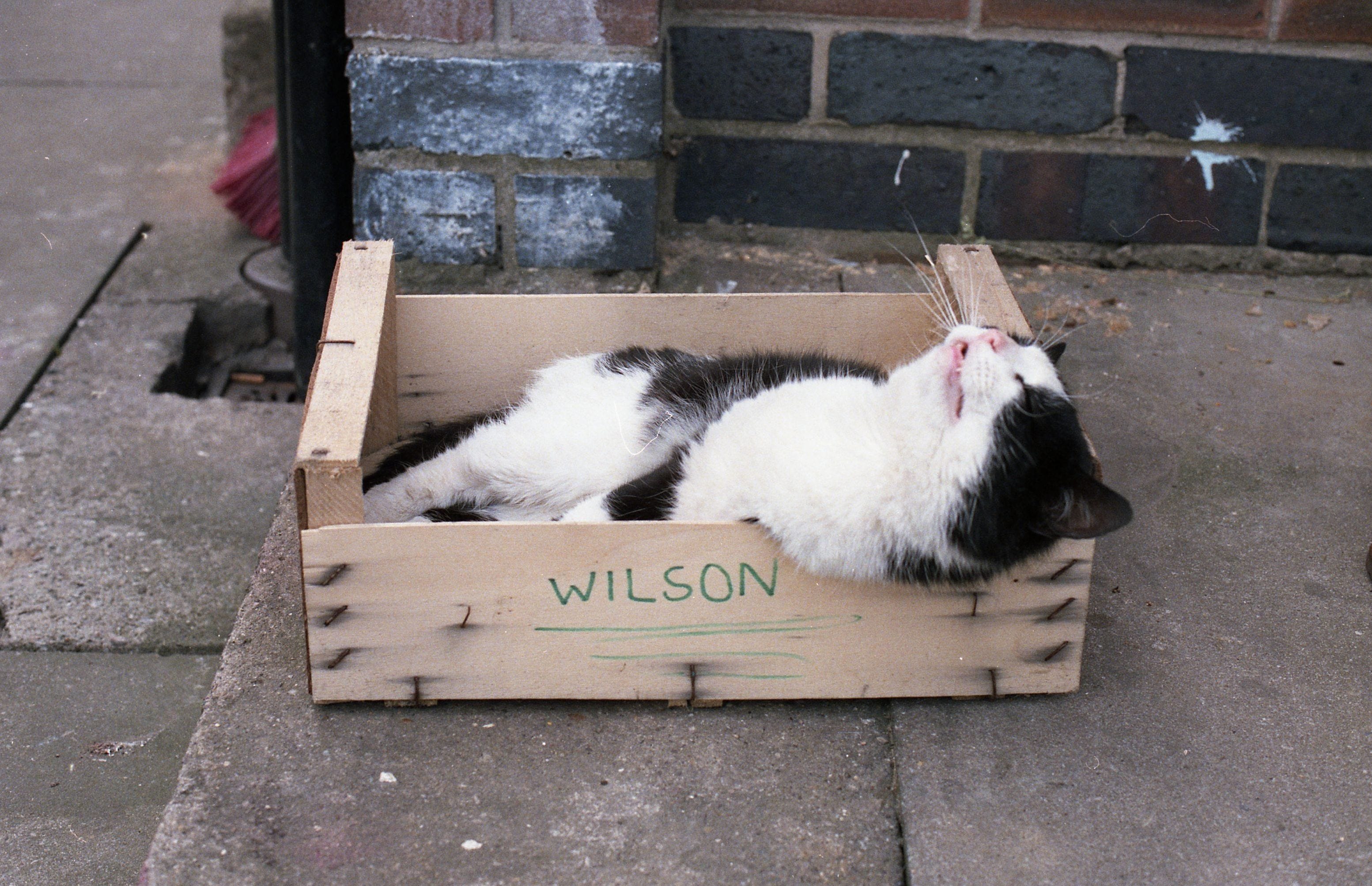
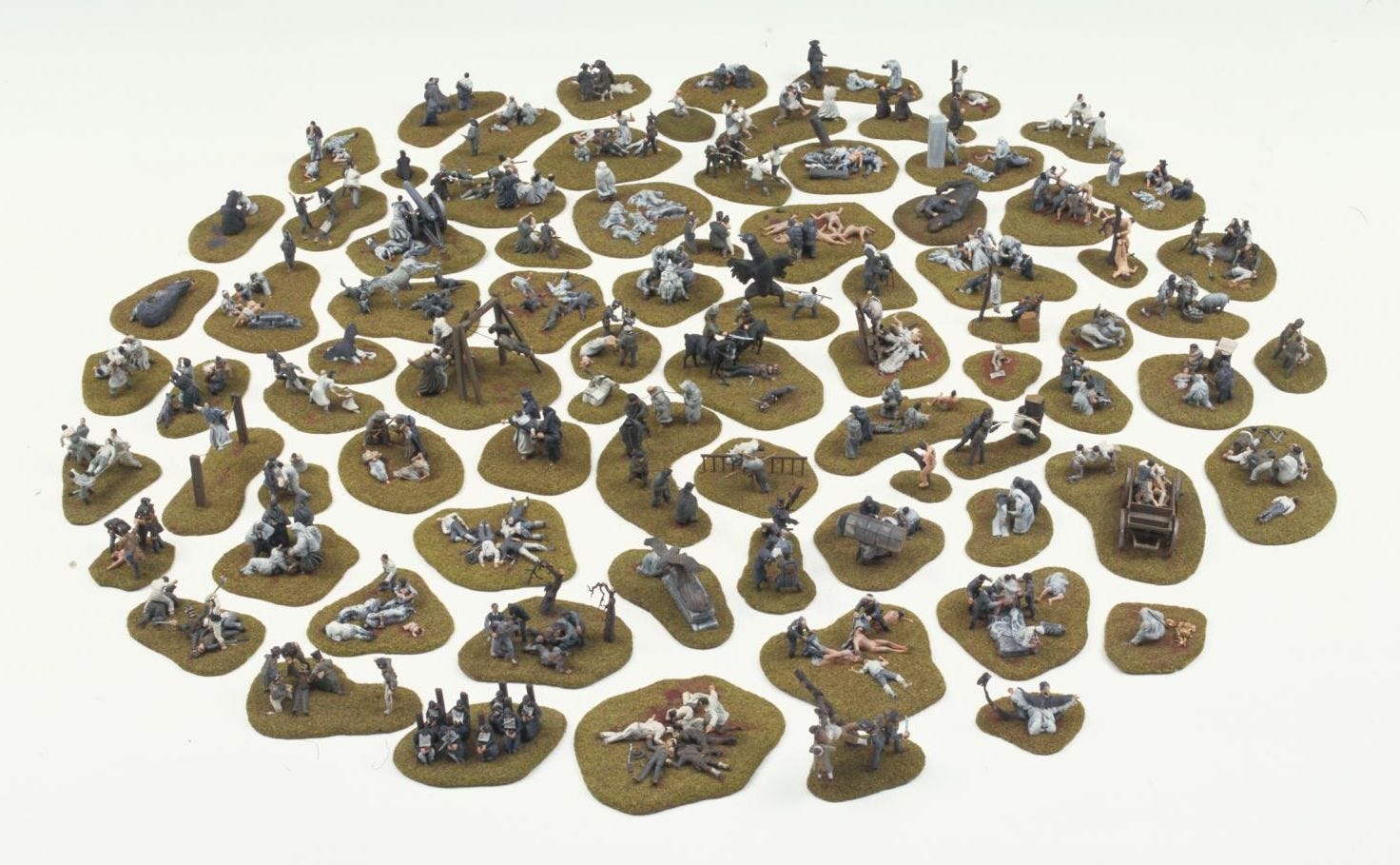
I had a floor area where I assembled Lego kits – a hobby I kept into teenage years, graduating to the technical sets – and also built occasional glue-together models of war vehicles and aeroplanes. I never had the patience or dexterity to make and paint detailed models, though I recall one time when I completed a series of small models of field guns and troop carriers. I purchased a square of hardboard from the DIY shop and themed this with grass and earth from those small packets on sale at model shops that looked like illicit materials. The gun and vehicles were assembled with some soldiers in action poses to create a static diorama which looked reasonably realistic. Once completed I wasn’t sure what to do with it, and then a decision was hastened as the cat (Wilson) got in the room and suffered a bad bout of diarrhoea over the whole ensemble – presumably mistaking my carefully assembled mock-up of ground as the real thing. So, in some ways, a commendation from Wilson towards the authenticity of my work. Times were transposed as the Second World War scene I had created was taken back to the age of the First World War Somme and its overabundance of thick brown mud. It was thrown out, and no further model making resumed. Maybe the Chapman Brothers had a similar premonitory calling but acted more decisively on it?
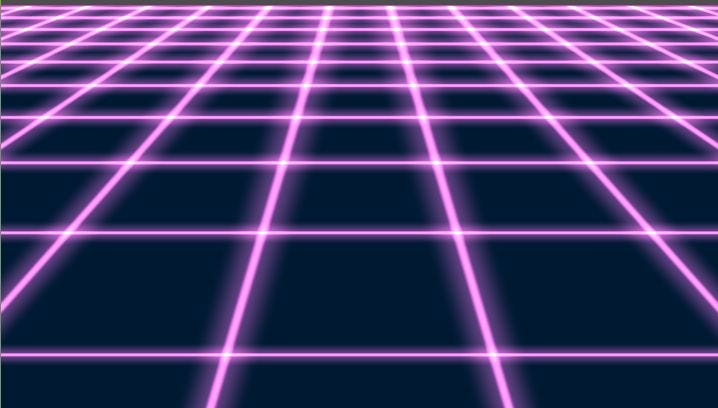
I did not have carte blanche to do whatever I wanted to my room, and was jealous of other schoolfriends who went all-out to create punk dens. There always seemed to be someone in everyone’s memories who painted their bedroom black. But that was not me. This was an unspoken assumption between me and Dad who could quickly fire up a temper about things being overly ‘punk’ or weird. That Bournemouth memory again, like a deep trauma. The ceiling was decorated with glued on polystyrene squares. At school I had a monitor duty to look after the stationery cupboard. This was not a good idea as I was addicted to pens and general stationery, intoxicated by the fumes of marker pens as you unsnapped their lids. I also had a bad habit of stealing. I pilfered as much as possible for my own projects. One day, left on my own at home, I called on a stash of broad stroke black marker pens and carefully lined the 45 degree indents that formed the grid of joining points of the polystyrene tiles. I had a vision of some kind of space-age new romantic video backdrop, with brutally gridded outlines, similar to the current revival of ‘vaporwave’ imagery. My handiwork wasn’t too steady, and the final effect looked messy, eluding the perfect symmetry and rectilinear discipline that I imagined I could create. Dad wasn’t happy.
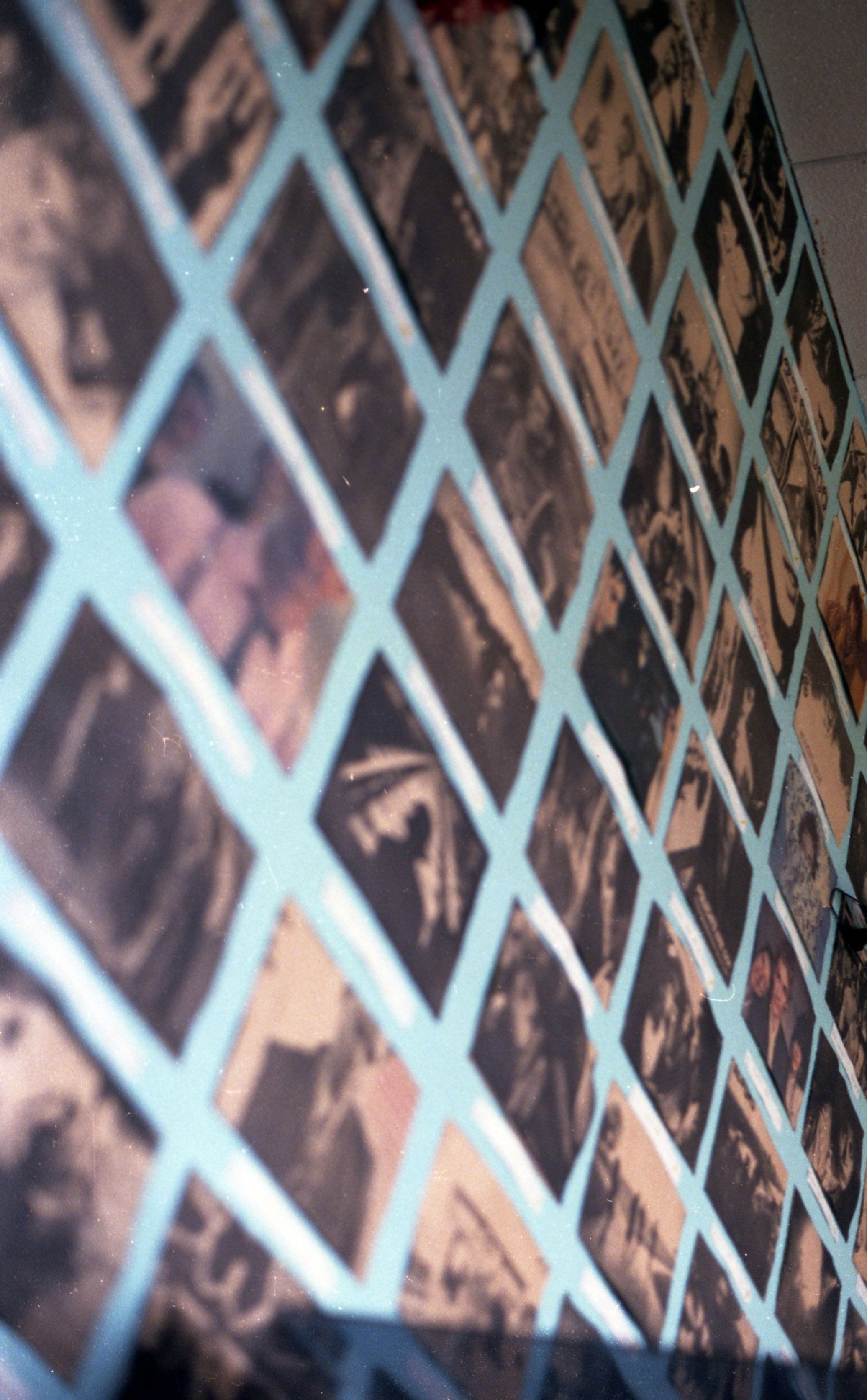
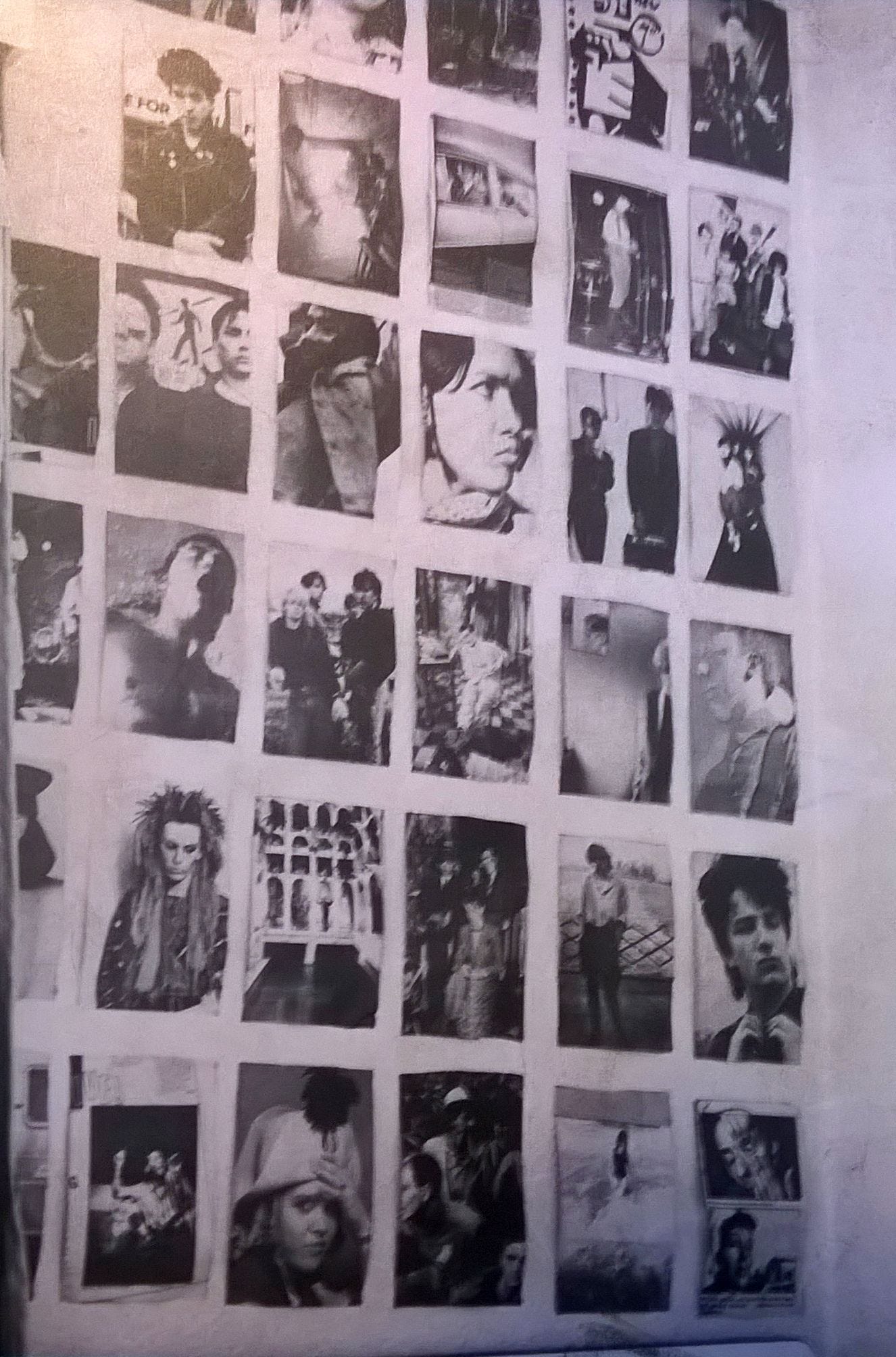
The 1982 redecoration project was equally ambitious. The walls of the bedroom were standard woodchip wallpaper painted a middle blue colour. My intention was to create a brick wall effect of cut out newspaper images drawn from NME and Sounds. I was looking for photographs of bands and artists that aspired towards a look, the look I might myself aspire to. By the early 1980s, photography in these newspapers was an art in itself, and bands often looked good or were photographed in a way to make them look good (or look even better if they already looked good in terms of how they dressed, hairstyles, etc). This moment of having a great look was quickly shifting, towards a contrived and complete image to play the new-pop game: Orange Juice as superannuated boy scouts, Dexys as rural ragamuffin tinkers, ABC as a landed gentry shooting-party (their third image overhaul in the space of three singles), Heaven 17 as city bankers. I used the music newspapers as I cherished the rough texture of the paper – even though I had a stash of glossy magazines (The Face, Smash Hits, Punk! Lives, ZigZag) I did not desecrate these.
My A5 diary was used as a cutting template. If I’d been aware of the conceptualist art movement I could have made a claim here – dual purposing an object to both make art and record art in a synchronised blow. Another art calling missed. Never mind, the task was engaging and rewarding enough in itself. To be feasible and practical the source photograph needed to be at least A5 in size, and if it was larger than A5 (often the case) I had to make a decision as to where to make the cut. It was important that every piece was exactly the same. The selections were then blue-tacked to the wall in a perfect grid. On a minimal number of occasions I would cut a larger photograph with two sections, mounting these on the wall within the grid structure but with a nod to realigning the whole original (even cutting two pieces with a commensurate gap to reflect their intended placing on the grid-wall). The main wall consisted of landscape cuttings, though the side wall and reverse of the bedroom door accommodated portrait cuttings. The corner of the bedroom contained the airing cupboard which housed the boiler and a stash of towels and bedding. This cupboard was a problem as it legitimised unannounced intrusions into my own private space by other family members to fetch towels and fresh bedding. The pipes around the boiler also banged and knocked on occasions, waking me up in the night. The upper and lower doors of this cupboard also succumbed to my plastering with subcultural clippings.
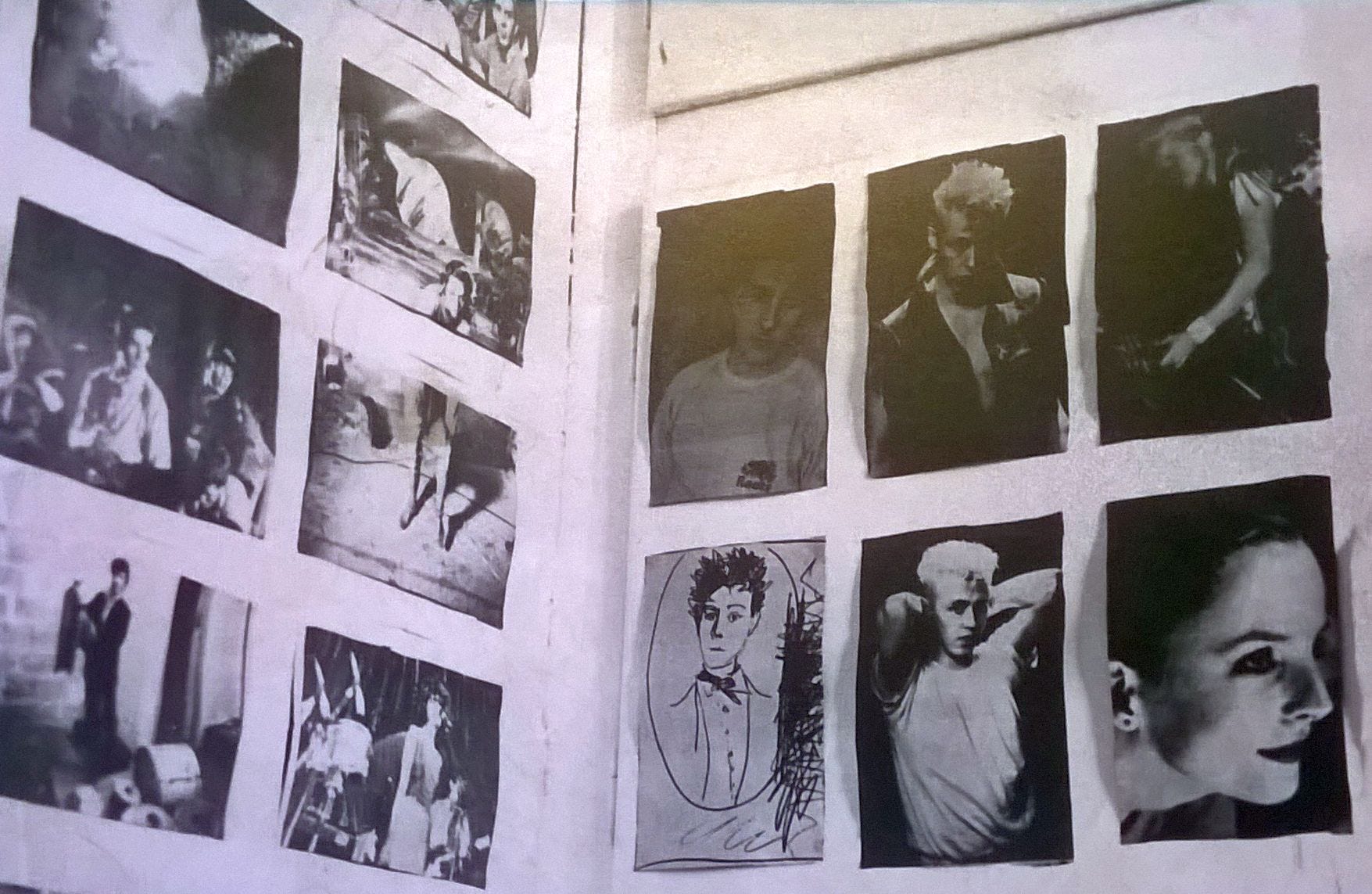
These photographs, these looks, fascinated me. They stared down upon me, I gazed back. They watched over me whilst I slept. All the candidates from my fashion and music obsessions that emerge through these essays are congealed here as out of focus glimpses in a handful of personal photographs of the space itself – 23 Skidoo, Bow Wow Wow, Robert Smith of The Cure, Theatre of Hate (multiple times), Japan, Bauhaus. Some images stand out, provoking a memory rush. Cabaret Voltaire standing disconnected from the viewer, staring blankly, one each side of the photograph – displaying typically great haircuts, cropped to the edge of the frame. Rip Rig and Panic clustered around a sunbeam in an attic space. The Polecats in the back of an American car. Multivision looking left, right and centre decked in ridiculous panama hats in a made-up jungle scene akin to a seaside photographer’s studio. David Sylvian, always on camera, sliced from the frame but repeated in the mirror like a Jeff Wall photographic construction. Robert Görl from DAF, saturated in spray, with the haircut that I hopelessly tried to achieve with a bemused local barber. A Certain Ratio in their cargo shorts. Blue Rondo posing in their ridiculous zoot suits and the legendary photograph of fellow new romantic colleagues Animal Nightlife with the band member wearing a leather belted jerkin jacket that I searched to no avail to find in a shop. I hoped their glamour might rub off on me, that I might wake up looking a bit more like Kirk Brandon, or Terry Hall with his post-Specials out of control flat-top (he had it just right with that crimped look at the time of ‘The Telephone Always Rings’), or Scritti Politti’s Green in his bizarre lounging tracksuit and great wedge haircut…