
Expedition Couture
On outdoor wear as subculture and fashion (part 1 of 2)

Interruptions to my post-subcultural dress sense in the latter-1980s were shared between skateboarding fashions (previously documented) and a look that identified me as part of the rock-climbing and outdoor-loving community that was typical to Sheffield around that time. Both fashion codes were essentially bonded to and dictated by a specific interest that necessitated aspects of design (protection from the elements for outdoor wear, freedom of movement for skateboarding gear), and both required a certain amount of seeking out specialist suppliers.
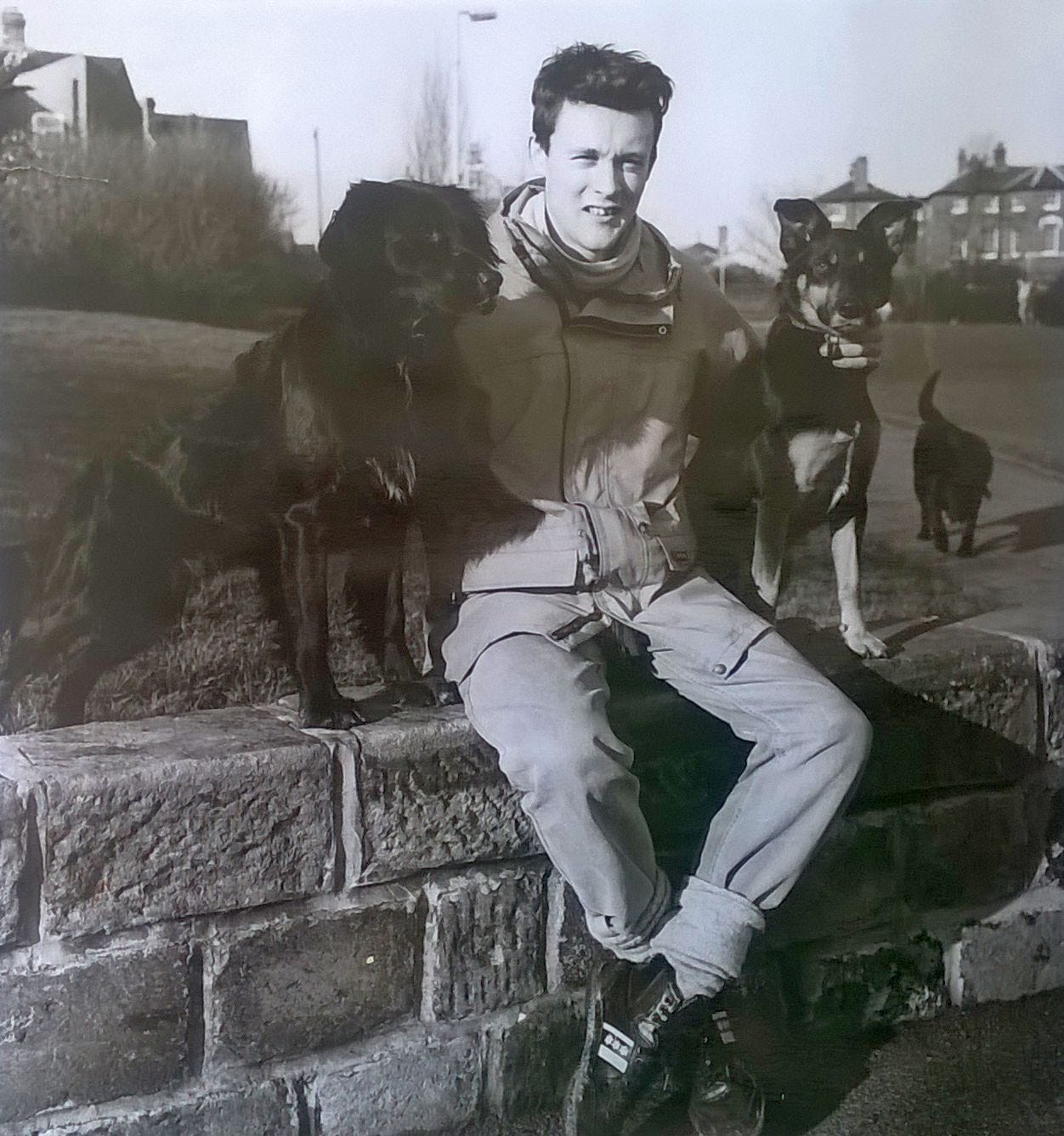
There were moments, glimpsed in odd photographs, when the style codes came together. A photograph taken at Hathersage, Derbyshire, in 1989 (ish) with the outdoor look punctuated by the skate-punk ‘MDC’ tee. As a bonus here’s a photo of me with my dogs in the local park sporting a Berghaus Gore-Tex cagoule, jeans and Rucanor boots (which were partly post-punk but I was trying to adopt them to skateboarding). The hiking socks were a leftover from a general early 80s trend for chunky socks outside of your trousers (Haircut 100 etc etc).
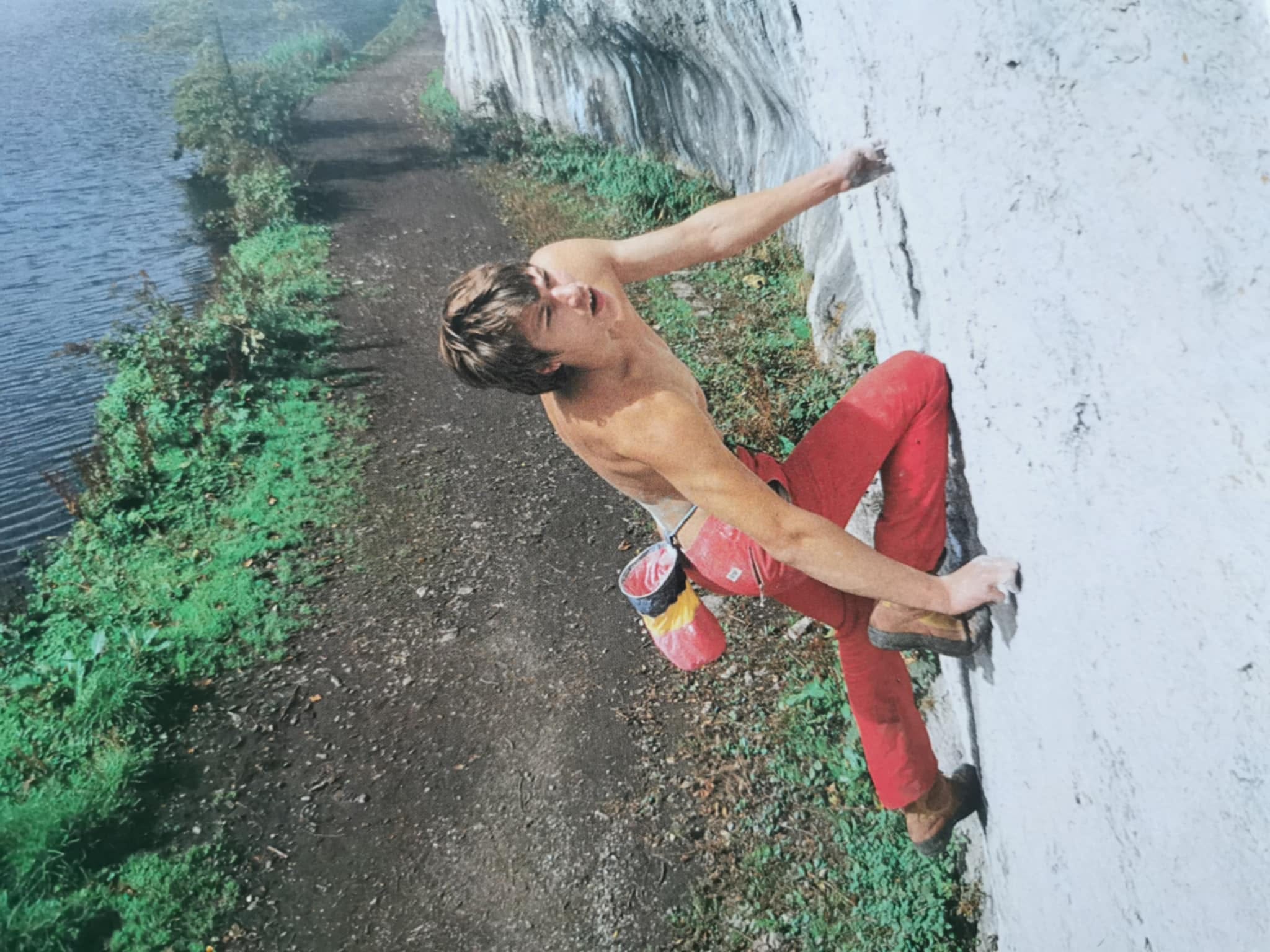
Whilst there was no proximal surf beach to Sheffield, the wilderness and great outdoors was close at hand. More specifically, the city’s bordering on to the abundant gritstone and limestone crags in the Peak District meant that teenagers with a passion for climbing often veered towards Sheffield as a higher education option, and then dropped out and became part of a niche subculture of dole-dependent ‘full time’ climbers.
In the early 1980s there was a very specific look and manner to this that extended to not just signifying you were a climber but that were also a dole climber – punk style string vests, climbing tights with rips and tears, and dirty outerwear. Around this, the wider look of wearing outdoor clothing – down duvet jackets, high-performance waterproofs, technical fleeces, the dreaded Tracksters (discussed at length in a previous essay) – was something that tended to exist quite naturally in Sheffield with its plethora of specialist shops. It was quite an easy look to fall into, and it had a curious subcultural aura.
This outdoor look is now very much commonplace as a general low-level dress culture. At the same time it permeates fashion with tactical intrusions such as the recently named ‘gorpcore’ scene (explanation to follow). The coda to this essay, essentially the closing of the 1980s and my subcultural years coming to an end, attempts to explain these niche consumer scenes and their wider impact on streetstyle culture. I’m trying to understand how we might have got from here to there. But first I want to dwell in mid-1980s Sheffield and dredge up some recollections, to keep it vaguely subcultural.
From a modern-day vantage point where every man, woman, child and even sausage dog has a duvet jacket it is hard to imagine any other way beyond this proliferation of Rab and North Face branded gear. However, in the 1980s, duvet jackets were incredibly specialist and uniquely formed an integral part of mountaineering gear, as opposed to something you wear when you go to Tesco Express or gargantuan retail malls such as Meadowhall, Bluewater or the Trafford Centre. You may find that hard to believe, but it was the case.
A duvet was a specific and technical piece of clothing with little or no orientation to fashion – and it had an associated expensiveness. It allowed you to keep a balanced body heat in extremely low temperatures without having to wear a multitude of layers. Thus, they were used in alpine expeditions or mountain climbing endeavours where you might generate sudden excessive body heat through bouts of exertion. There was little attention to fashionista detail such as branding, bespoke colourways or quirky pocket flaps. They were bulky, bright and espoused function over form. Not something that is ideal for that short trip from zone 23 of the car park to Café Nero at the mall.
When I moved to Sheffield in 1984 there was an intriguing and new-to-me subculture of climbers, mainly dropouts from the University and Poly who were surviving on the then possible dole payments and Sheffield’s last bastion stance of cheap facilities (10 pence buses, free clubs, subsidised cinema, benefit gigs, and cafes and curry houses funded that flourished in the ‘People’s Republic of South Yorkshire’).
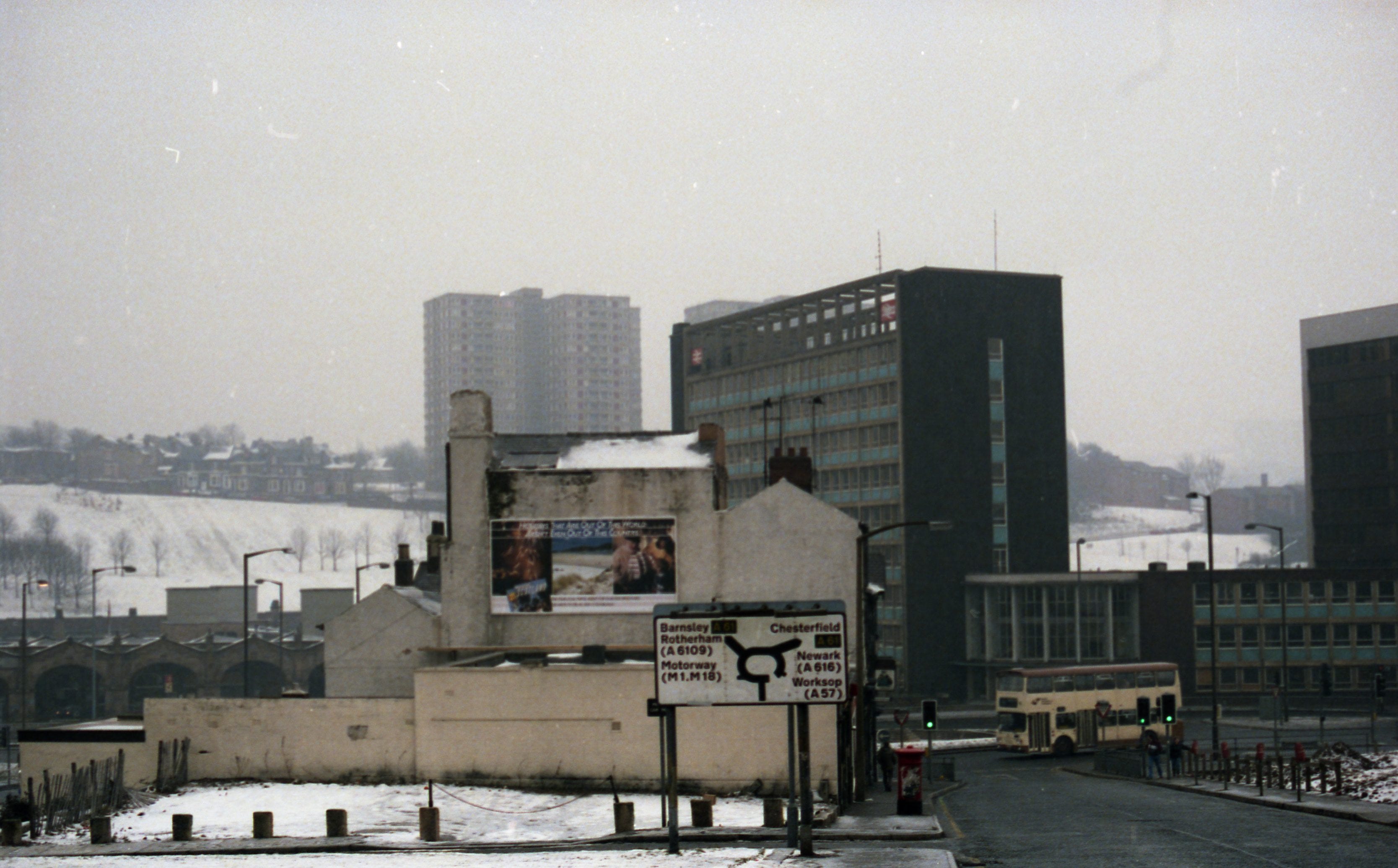
This was the first subculture I encountered – with a sense of dress, activities, ways of being and a coded language – that existed outside of music scenes. They were scrawny, scruffy and incredibly fit with a kind of punk edge akin to the Kyle Reese character in Terminator (1984) when he dons an ill-fitting trench coat. In the film Kyle robs these from the store, and there was a healthy economy of robbing going on in the dropout climbing scene…
Climbers had a vestigial counter-cultural heritage, with roots in the 1960s/1970s hippie dropout culture. A dedication to rock-climbing offered a quasi-existentialist route for fulfilling an antipathy to the expected regularity of job and life, a choice made clear in the 2014 film Valley Uprising which documents the US beatnik crossover into climbing.
This dropout dynamic was essentially condensed and continued in 1980s Sheffield. In this period there was a further punk and anarcho-punk crossover, with new routes named by the first ascendant crossing over into those cultures as everlasting reference points: ‘Let the Tribe Increase’ (the title of an album by The Mob), ‘All Systems Go’, ‘Punks in the Gym’.
The duvet jacket was the synecdoche for being part of the climbing subculture, the equivalent of the military parka for a latter-day mod. No-one else wore one as either a general item of clothing or as a subcultural piece – absolutely no-one - so if you saw someone wearing one you knew they were a serious climber.
Duvet jackets from the Mountain Equipment brand were popular, the blue and yellow Annapurna jacket being the crowning glory. You could get them relatively cheaply from the Magic Mountain factory shop in Glossop, about 15 miles west of Sheffield on the Snake Pass. A couple of other suppliers such as Berghaus also did duvets, but the item of clothing was seen as so specialist that it never warranted general production.
Outdoor wear for hobbyist ramblers was limited to fleeces and cagoules, and as fashion accessories these were generally confined to regionalised niches of football casuals such as with the North-West casual culture documented by the authors Phil Thornton and Bill Routledge whereby previous reserves of branded tennis, golf, ski and sailing clothing had run their course. I’ll come back to this casual enclave in the following parts.
Naturally being drawn towards subcultures of any kind, and enjoying living in a new city, I slipped into the climbing subculture. As well as flaunting references to punk standards by having scruffy dyed hair and sporting heavy-duty string vests, Sheffield climbers integrated themselves into the local clubbing scene, and it was not uncommon to spot posey climbers sporting karabiner clips on their belts when dancing into the late hours at The Leadmill nightclub.
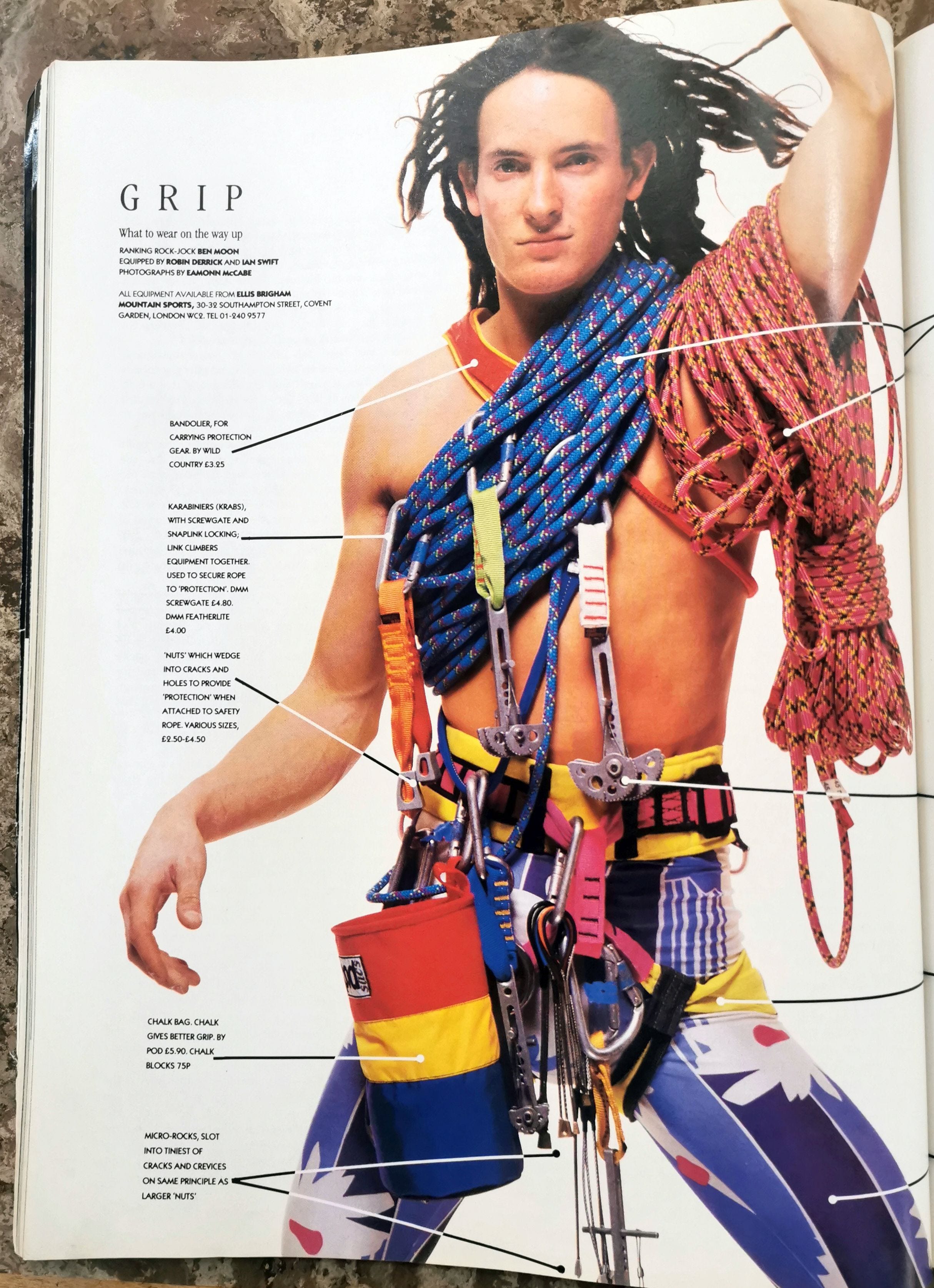
Ben Moon was a particularly important Sheffield climber – he was both very good at climbing and had a distinctive look with anarcho-punk dreadlocks, though probably wouldn’t have considered himself a poser. After attending a party in Manchester he was asked to appear in a Simply Red promotional video for ‘Open up the Red Box’ and uncomfortably fulfilled this request to give the impression Mick Hucknall was his close friend. Further to this, in December 1986, Ben and his dreadlocks (captioned as a “ranking rock-jock”) and well-toned climbers featured in the debut issue of fashion magazine Arena.
As with most of my athletic endeavours, I never actually became a good climber in those early years, but I looked (and acted and talked) like one. Most importantly, I made a supreme effort to purchase a Mountain Equipment Annapurna jacket. I never went to the Himalayas and neither did many others, but duvets were used for dossing in caves at Stoney Middleton and the like when climbing. The trend was to get them really dirty, ripped and patched up with bits of gaffer tape. You couldn’t really wear them in a nightclub – you would melt down.
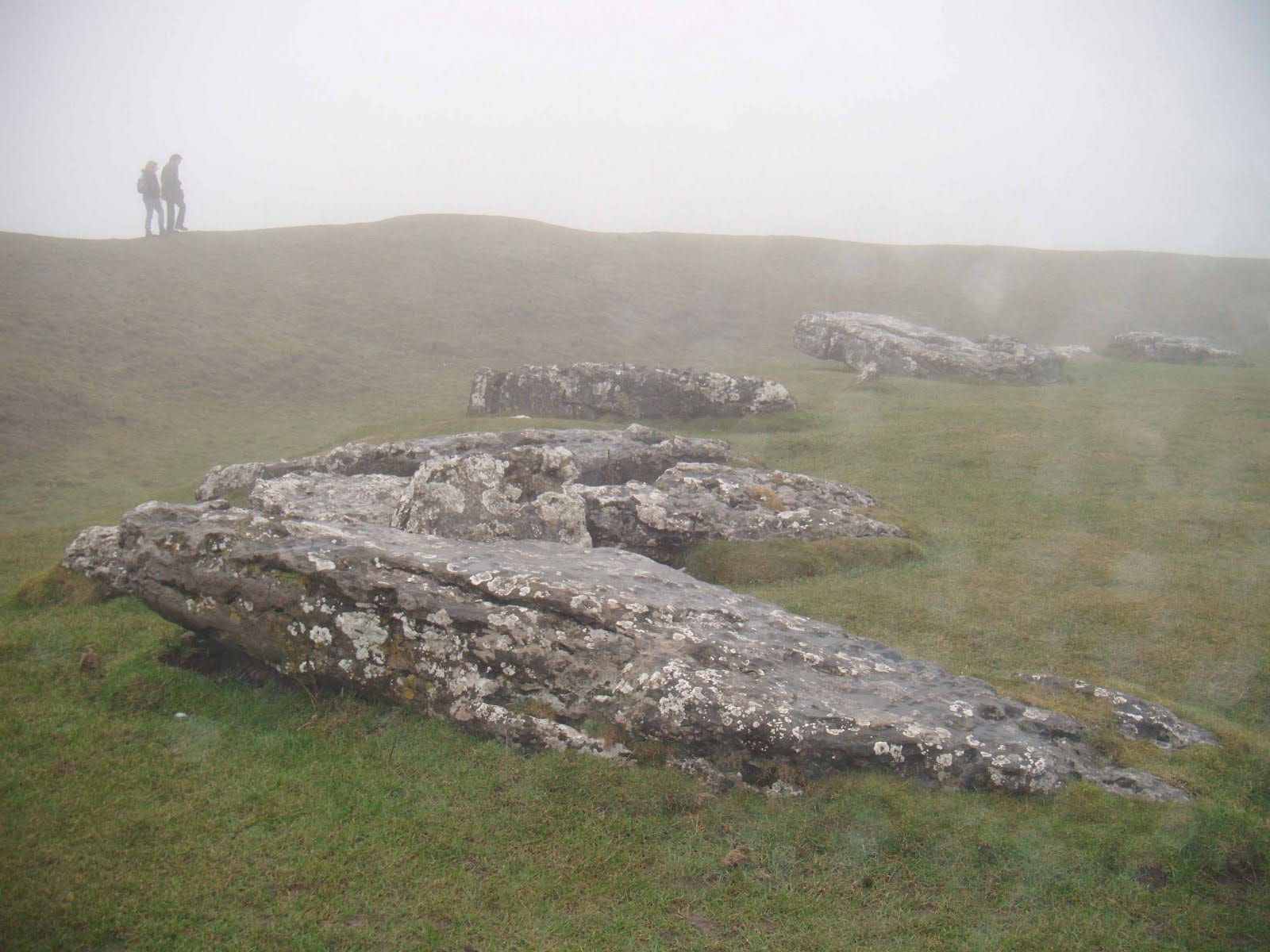
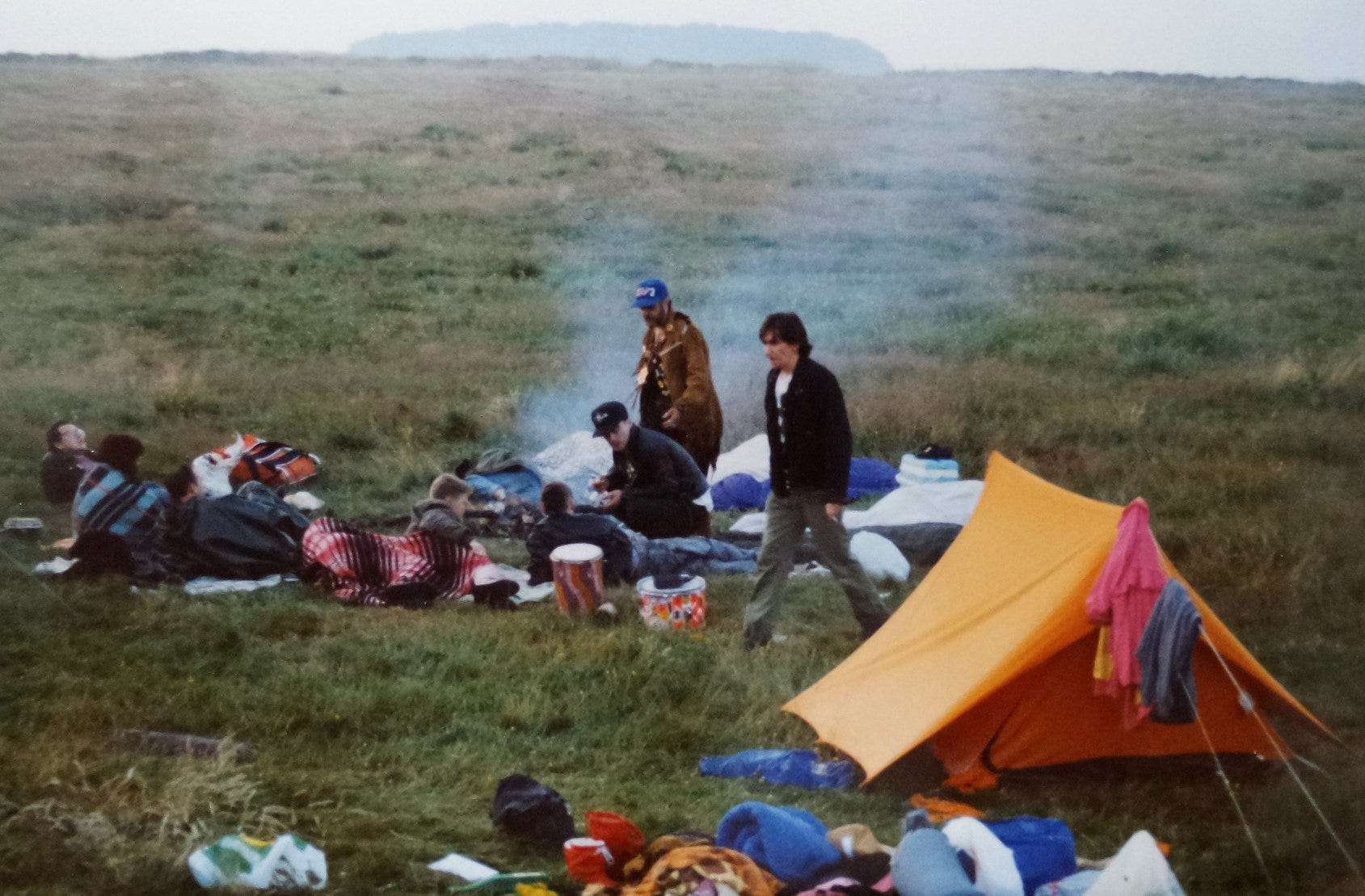
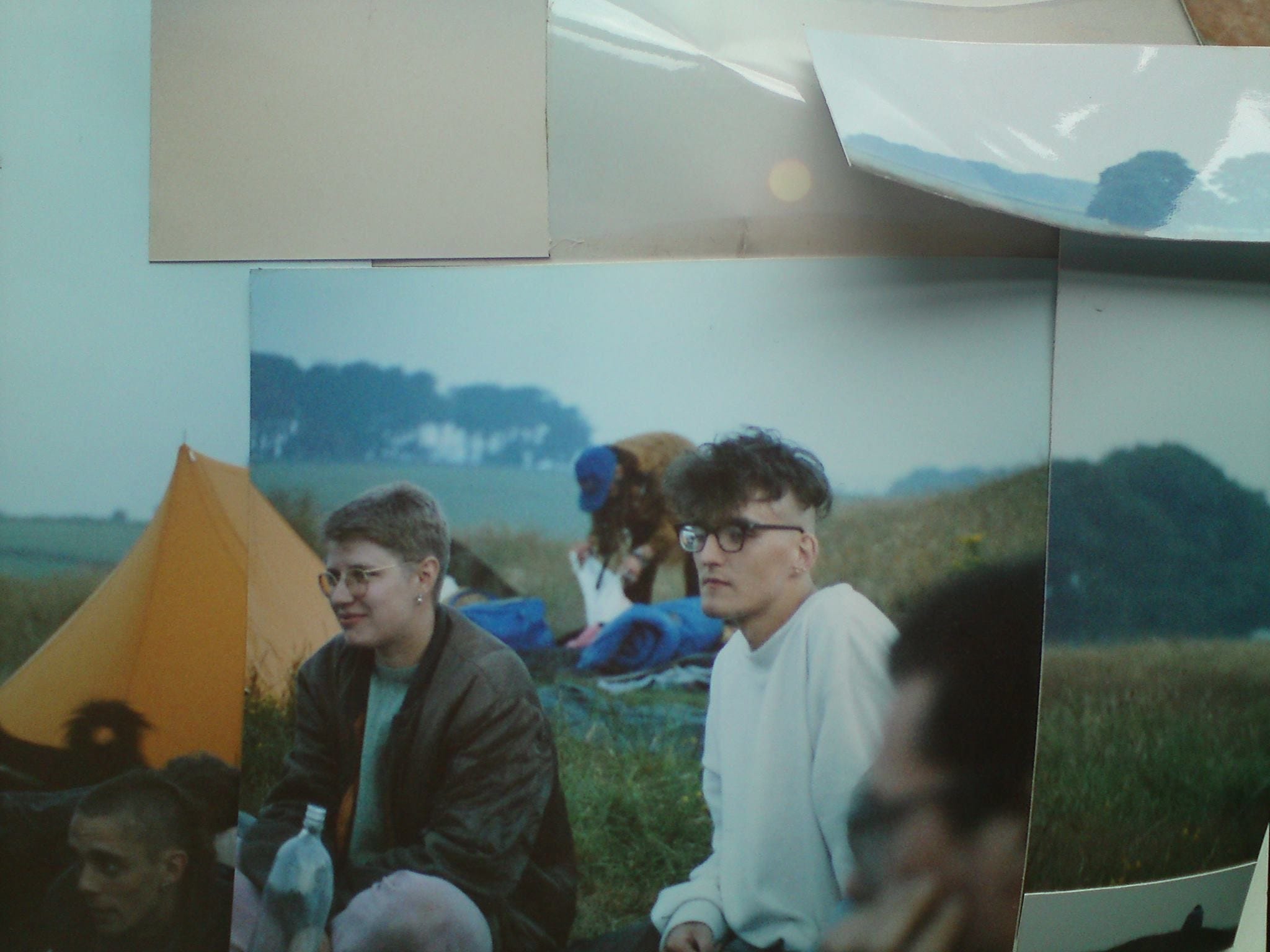
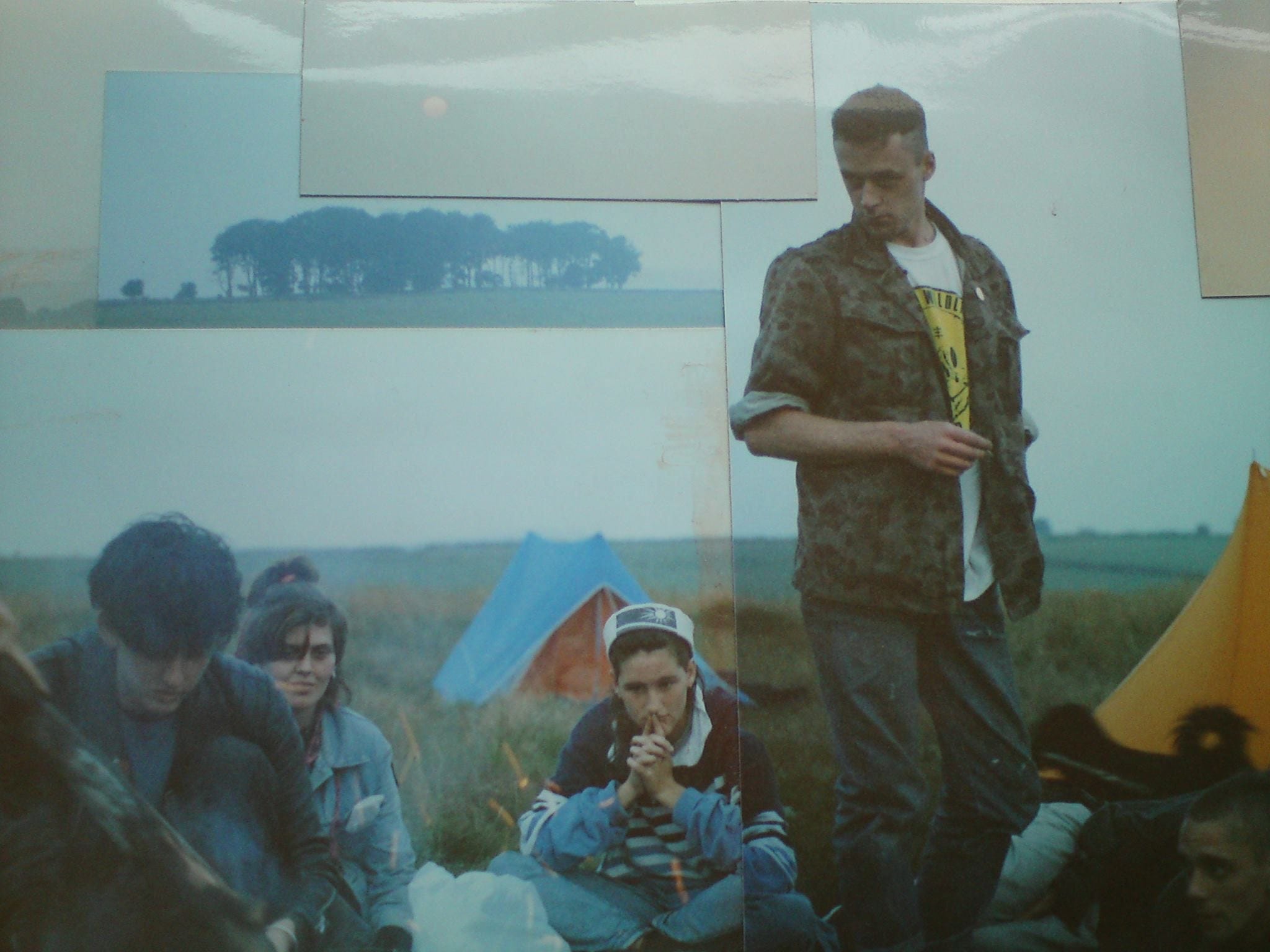
At the end of the 1980s I revived my seemingly indestructible Annapurna for solstice trips to Arbor Low, the exposed stone circle in the Peak District (I would argue that Arbor Low is technically colder than the Himalayas, even on Midsummer Eve). There was a traveller and rave culture crossover that suddenly catapulted solstice type events into the foreground.
Duvet jackets had slowly attached themselves to this traveller free-party scene, part of the attempts for the early rave scene to define a look that bridged styles like surfing, skateboarding, large silhouette bomber jackets. It was a weird time for fashion and subcultures, with many divided opinions as to what actually occurred when, where and why.
At Arbor Low, the assorted drug casualties and sound-system crews from Nottingham and Manchester’s Hulme Crescent squats woke up with teeth chattering, huddling around fires trying to make a brew or construct a roll-up with numb fingers. Many years later I learnt that ex-Throbbing Gristle frontman Genesis P-Orridge was at the event with some of his Psychic TV acolytes.
Well-groomed gorpcore, Instagram ‘fits’, and its embrace of the duvet was still some distance from being conceived, though we get glimpses if we dig in the pop culture archives. Conceptualist rave band KLF sport full oilskins for their ‘3AM Eternal’ video, a number one single that kicked off 1991.
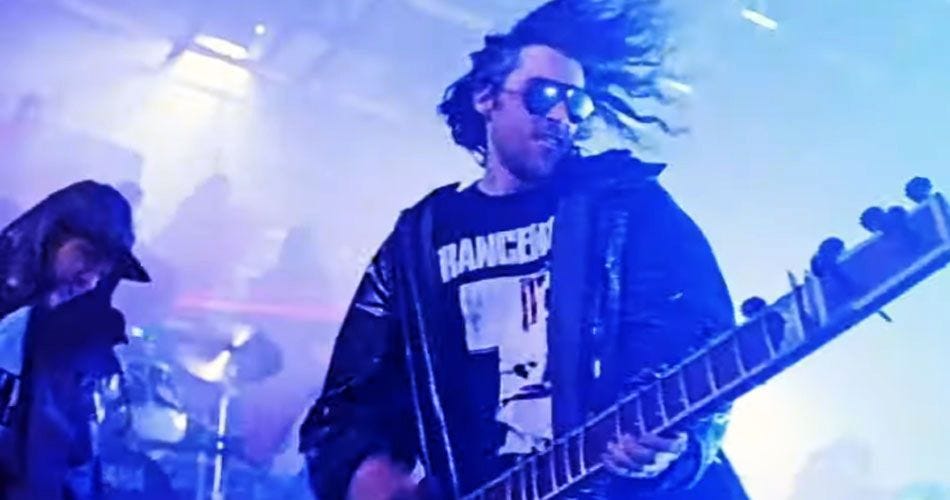
With their ultra-choreographed technique, Cauty and Drummond seem natural heirs to Bruce McLean’s 1970 Nice Style project. As with most of their visual presentation, everything is meticulously constructed in terms of source and connotation, and it’s not clear whether they wear off-the-shelf waterproofs from a local Millets – something similar to the clothing my dad utilised to cycle to work when it was pissing it down.
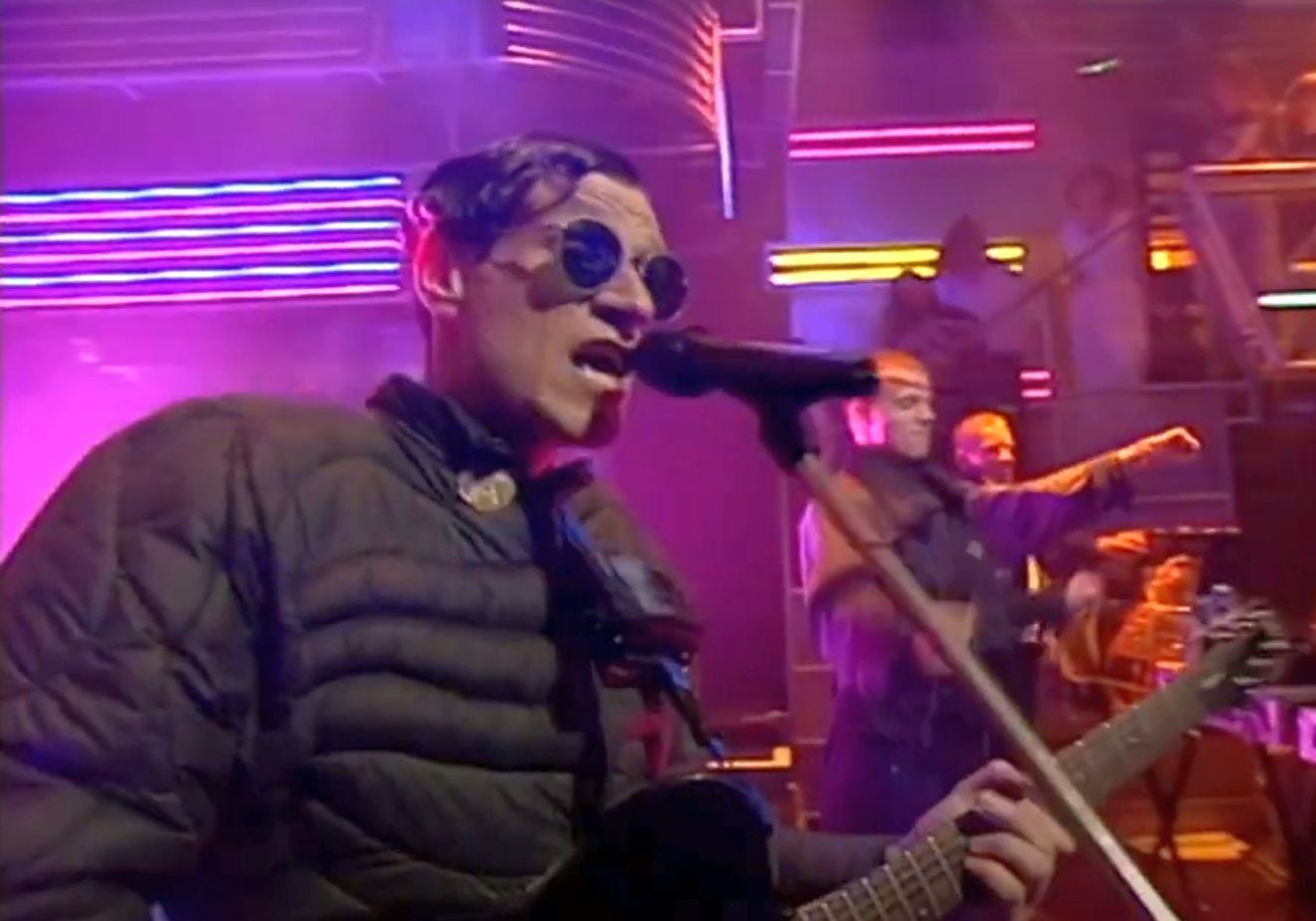
By the midsummer of 1991 there’s an appearance in an episode of Top of the Pops with The Shamen performing their breakthrough hit ‘Move Any Mountain’ – frontman Colin Angus models a Robocop sculpted puffa jacket and Mr. C dances and raps away wearing what looks like an all-in-one waterproof suit designed for potholing. If the mountain won’t move then tunnel underneath it.
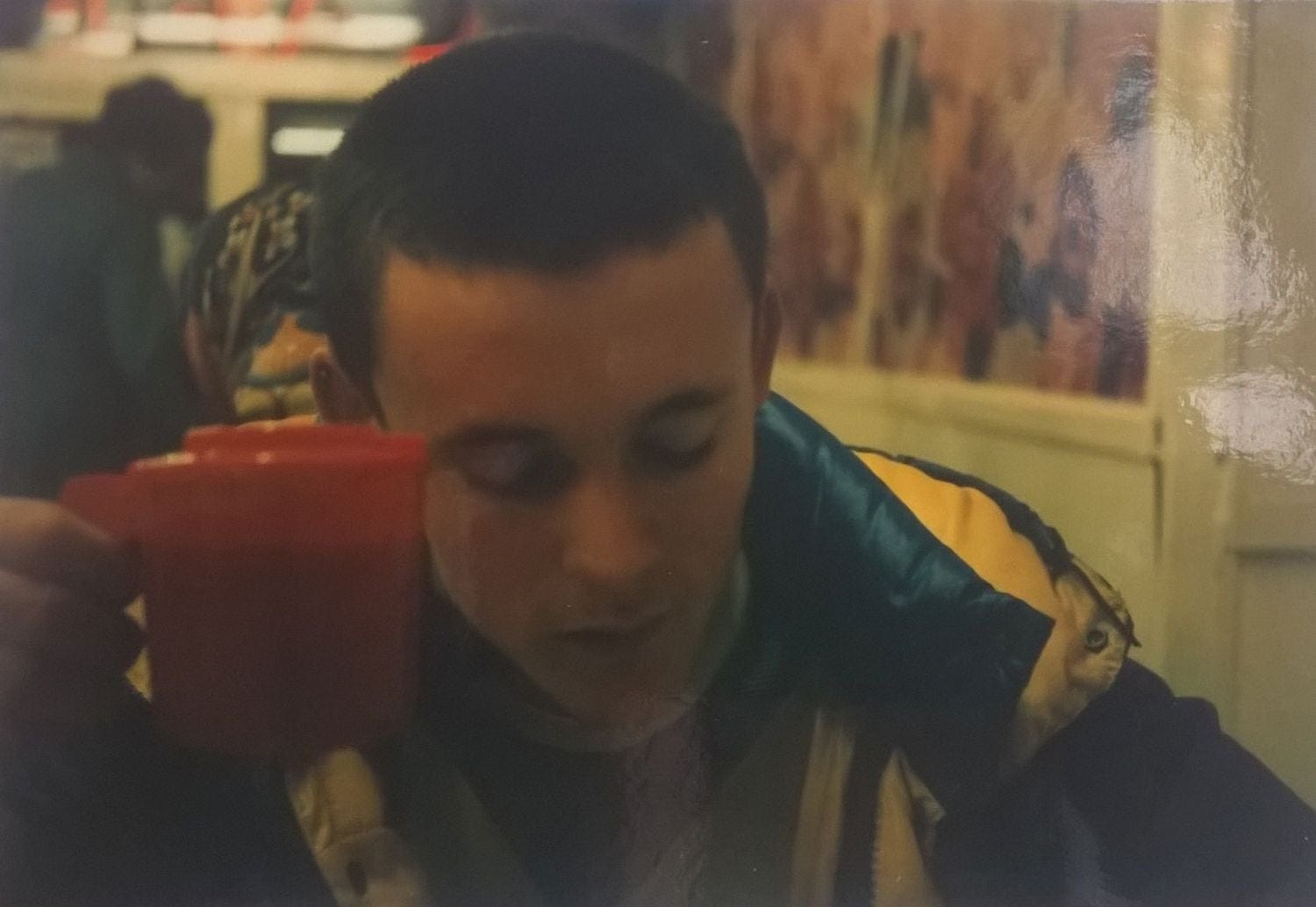
The picture here of my Annapurna is a self-sponsored two-day Christmas expedition to the cafe next to the launderette at Bakewell, from around 1985. Truly hardcore. The coat lasted well beyond its shelf life. It was always there, just to slip on over a tee-shirt when you needed to pop out to walk the dogs or take the kids to the playground. It quickly got grubby to go with the various repaired rips and tears. That’s putting it mildly, filthy would be a better word.
I was afraid of washing it as I was convinced the down would stop functioning. I know it extended into the early 2000s because both my daughters, now grown up, have fond memories of the ‘dodgem coat game’. This was named because of a game we played based upon the oversized and inflated construction of the garment. I’d hook each arm into the opposite sleeve to create a fully enclosed body and then bump into my daughters like dodgem cars in a pinball or bagatelle arena. I’m sure Chris Bonington would have been proud of me.
In part 2 I will briefly look at the modern concept of ‘gorpcore’ and give a review of the 2025 project book Mountain Style.
I was at Arbor Low on NYE and can confirm it is colder there than anywhere nearby. My other half is still obsessed with ME having grown up in Glossop.
I really enjoyed this piece, so interesting. Great images too.