
Holidays in the Sun

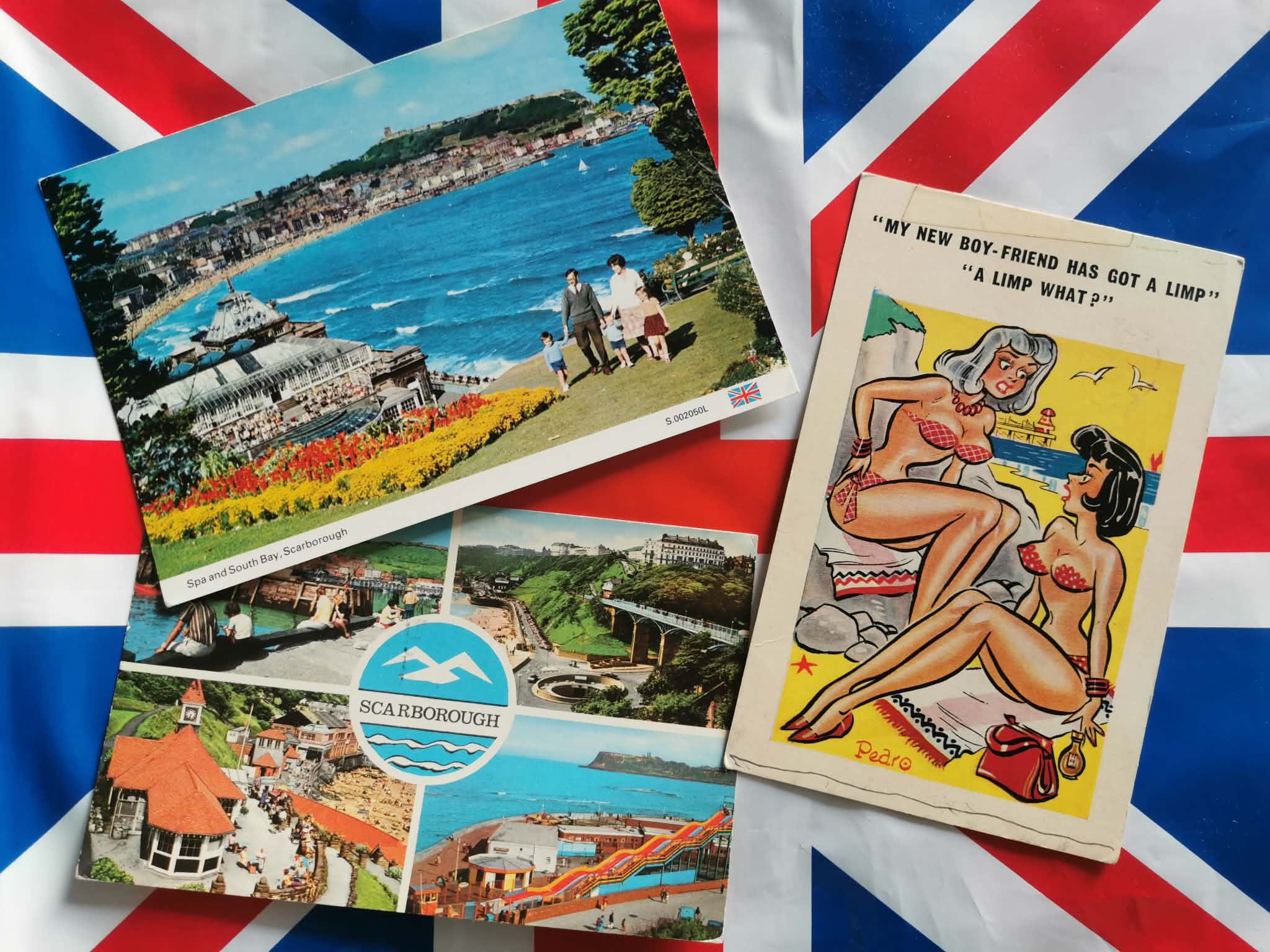
There’s probably going to be a glut of events, exhibitions and publications to mark the 50th anniversary of punk, or at least the UK’s naming and acceleration of the scene through 1976. I’ve been somewhat caustic on the Last Word book and also expressed an anticipated weariness of what might be coming next. However, this is an official announcement that I’m throwing in my lot.
In May 1976 the Sex Pistols played their first gigs outside of the London and wider area of art colleges. They left their relative safety net where punk was about to be named, where they had a fanbase of avant-garde expressive dandies and cultural reprobates. They went all or nothing and headed to Northallerton, Scarborough, Middlesbrough and Barnsley for a quick-hit series of dates. Unsurprisingly, McLaren stayed behind as he had ‘other business’ to attend to.
The band playing Scarborough in 1976 seems an interesting thing to explore and query. It works as both a moment of history for the place, a moment of history for the band, and also an opportunity to look at how history and memory are constructed. These are things that interest me in a subcultural sense.
The plan is to produce six display panels at A0 size and show them in a few public spaces with maybe some reproduction punk artefacts from the time. If the conditions are right I’ll add in some ‘engagement’ events such as fanzine workshops and hopefully get some author friends to do talks. This depends on costs, and - at the moment - I’ve not managed to get any funding or support. Of course, the revived 75% Sex Pistols roll up in Scarbados for a showpiece gig in August, so it would be nice to also have the boards on display in some capacity and have a free event alongside that. I’m even thinking of getting some seaside punk rock confectionary made.
I’m drawing on a bit of previous experience in display creation. Things I learnt are to make the displays visually appealing, have some consistency that creates an intuitive flow between panels, and to keep the text within a tight word count. This threshold restriction isn’t my strong point as I like to waffle, to draw in interesting tangents, and to play with language.
The six proposed boards move between looking at Scarborough and looking at the band as they come together on the day in May. As usual, I’m drilling down into everyday factors and occurrences, demolishing myth and nostalgia and resituating it within more mundane circumstances. The mythical antagonisms are replaced with new frictions.
Below are the first four texts that go up to the evening of the 1976 gig. The fifth text will cover the return of the band to Scarborough in 1977 as part of the S.P.O.T.S. tour. The sixth and final panel will look at more lasting links between punk and the seaside, souvenir punk grot, etc, but I’ve not wrote that yet.
Please let me know your thoughts on the texts. If the project gets a green light for cooperating venues and I get a designer who can spare the time to put something together, then I’m hoping it can go ahead.
BOARD 1 – A HEATWAVE ON THE HORIZON
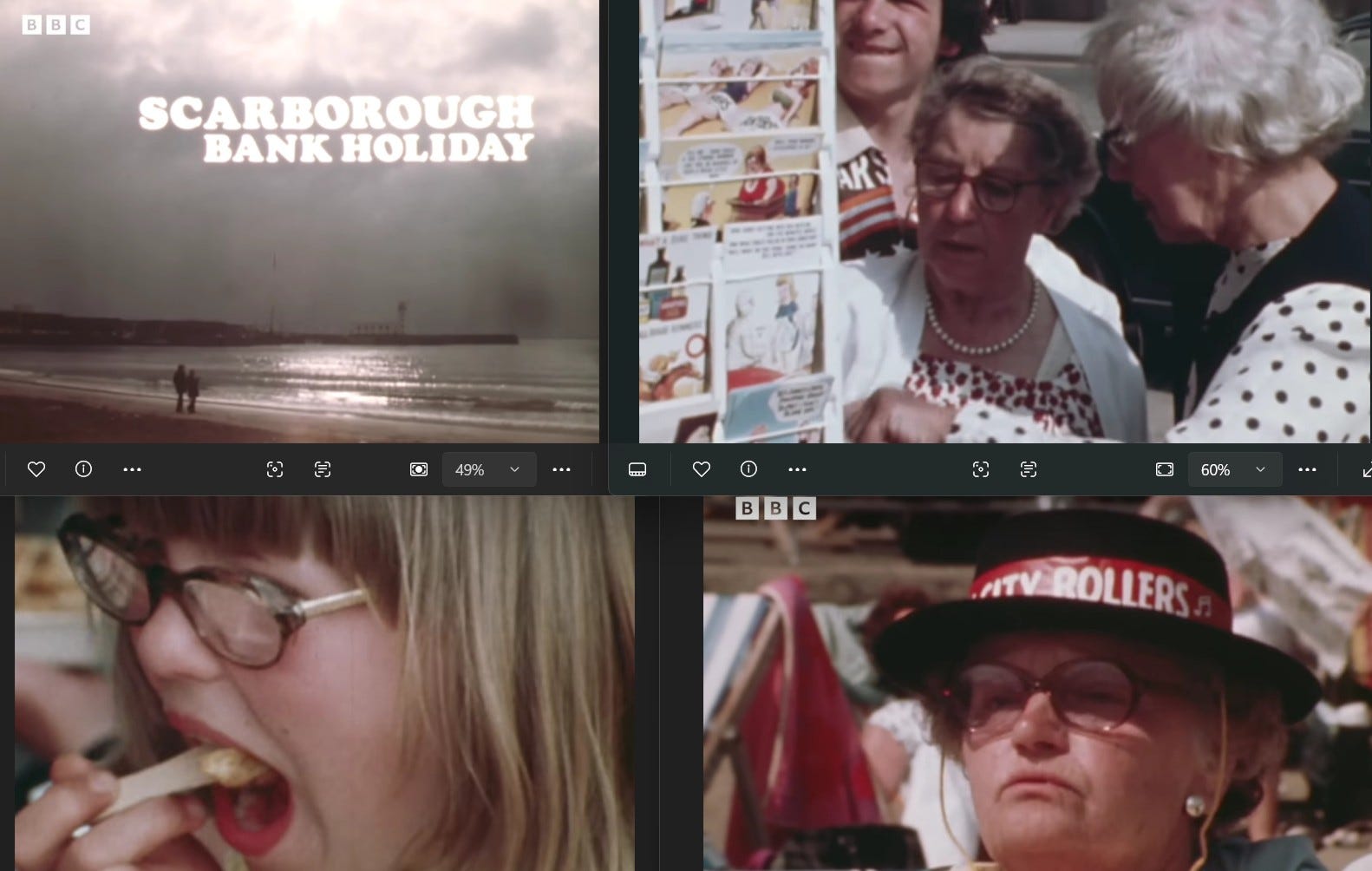
The summer of 1976 would turn out to be one of the hottest on record, with pubs running out of beer and road surfaces melting. On the last day of May the BBC director Gerry Tonya filmed a documentary of 24 hours in the life of Scarborough. Broadcast in September as a late-night regional programme on BBC1, it captures the precursor to the heatwave.
Tonya’s documentary is a nostalgic treat, though it has the unsettling feeling of the earlier film O Dreamland by Lindsay Anderson, with a slightly contemptuous undercurrent. We are confronted with obtrusive close-ups of pallid faces munching chips and elderly gents squirming in the sun as they adjust starchy shirt collars. Without narrative, the prowling cameras reveal the town setting up, the trains and coaches arriving, busy landladies, hotel guests tucking in to a fry-up, clinking teacups, amusements, sunbathing, donkey rides and the eventual nighttime clean up.
News items, snippets of traffic reports and incidental music from Radio One are caught in diegetic drifts of sound. Nice pop, to soothe and placate. There’s an extended segment of Paul McCartney’s Wings hit ‘Silly Love Songs’, with its inane chorus of an elongated “I love you”. We catch a glimpse of a middle-aged woman in a kiss-me-quick style beach hat branded to the Bay City Rollers – this is pop music in 1976.
Any evidential imprint of punk rock, set down by the Sex Pistols performing in the town in the previous week, is understandably absent. However, prompted by hindsight you can feel it lingering like a ghost bearing discontent and disarray. Within a short period of a year, the cultural climate would shift. Love, and its fluffy pop silliness, would be redefined, as American punk upstarts Richard Hell and the Voidoids declared – in a two-minute salvo – that ‘Loves Comes in Spurts’. Everything was up for grabs.
BOARD 2 – WE’RE INTO CHAOS
In spring 1976 the Sex Pistols prepared to venture north to play their first gigs outside of the relative sanctuary of the capital and immediate conurbation of art colleges. Punk as a scene and a music genre was still bubbling underground. If you read the music papers carefully, you may have seen reference to the band causing trouble at their London appearances, upstaging the headline band on the night and instigating numerous scuffles. By April the term punk was being loosely applied, covering the Sex Pistols, a few rough-and-ready pub rock bands, and the impending arrival of American band The Ramones. The Sex Pistols would get an unexpected feature in Sounds newspaper at the end of April, effectively lighting the blue touchpaper.
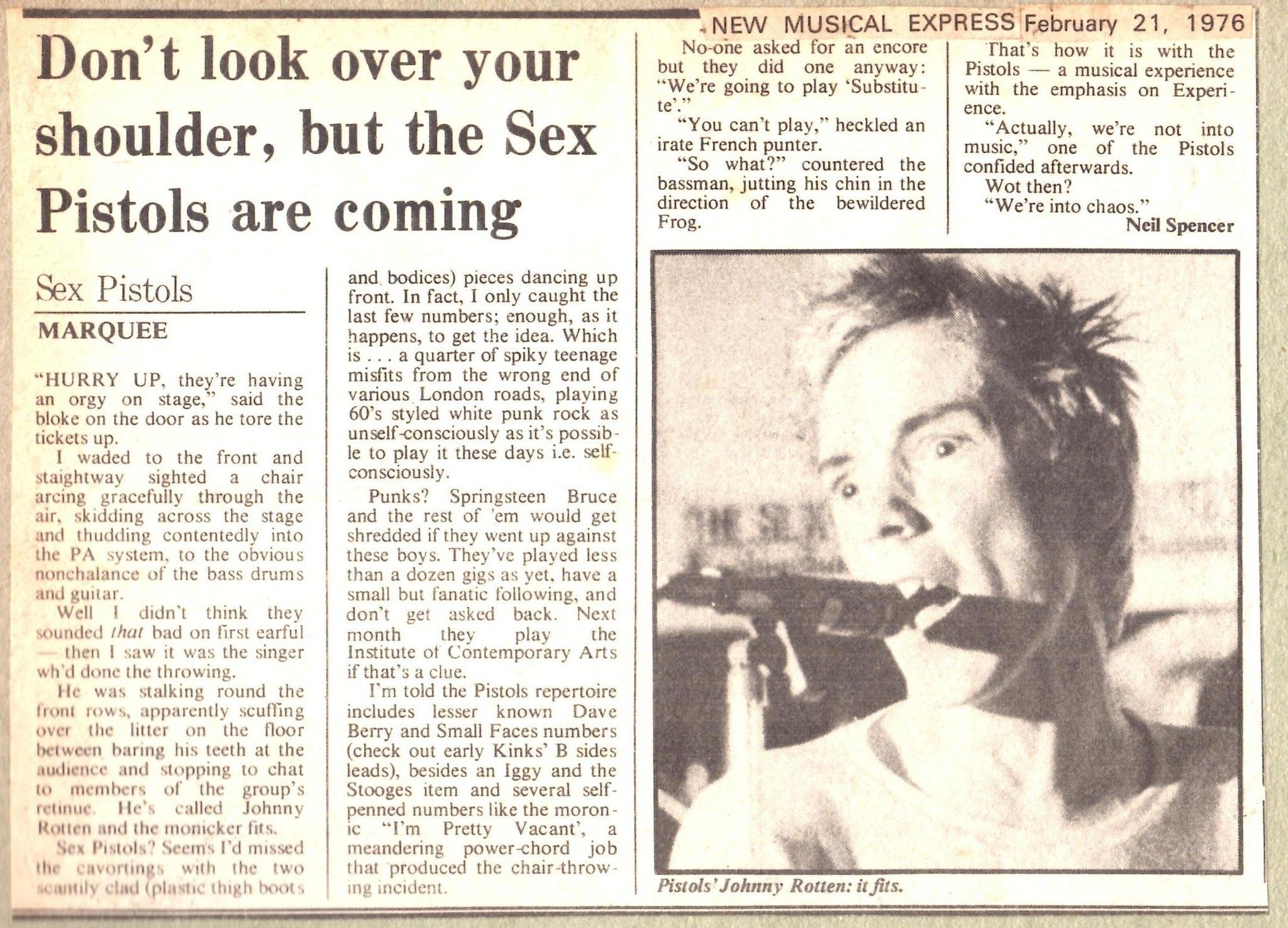
There is a convincing argument that the band were originally conceived as a vehicle to sell clothing, the principal business of their manager Malcolm McLaren with his partner Vivienne Westwood. As a creative pair they were a whirling dervish of mischief and invention, plundering the explicit and taboo, the subcultural and countercultural, the political and the downright weird. This was sold from their shop SEX at the end of King’s Road. It would soon be rebranded as Seditionaries as their punk look took shape.
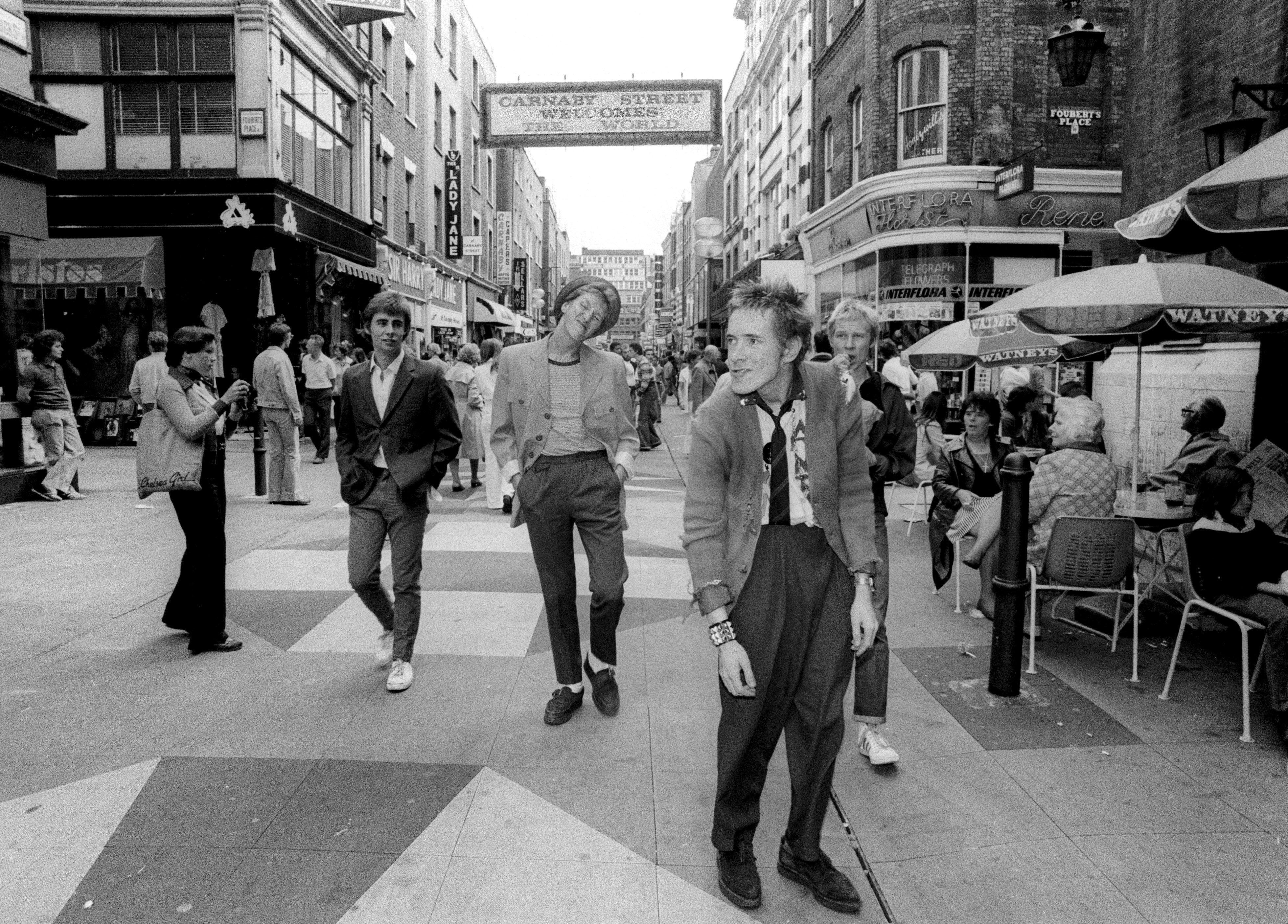
Photographer Ray Stevenson attached himself to the band. In the spring, around the time of the North Yorkshire excursion, he photographed the quartet cutting a swathe through London’s pop-tourist hotspot Carnaby Street. Johnny Rotten holds the focus, dressed as a roughed-up Teddy boy on day release from borstal, gurning and goofing like a Dickensian projection of Albert Steptoe. Everything about him is screaming “I don’t care”. You wondered, would the rest of the UK be ready for this?
BOARD 3 – NEVER MIND THE POLLOCKS…
On Thursday 20th May Scarborough fishermen had one eye on the Cod War. Others in the town were anticipating a more amicable Euro-battle, the Seadogs later defeating Udinese in the Anglo-Italian Cup with a thumping 4-0 victory. Elsewhere life rumbled on as NorthEast Co-op offered Silver Soft margarine and new Daz washing powder. The Armstrong-Massey showroom on Ramshill Road was excitedly displaying the brand-new Triumph TR7, Seiko digital watches were the latest must-have thing at Sizer Jewellers, Don Robinson had big plans for Marineland and Woodheads Bakery were taking on new staff.
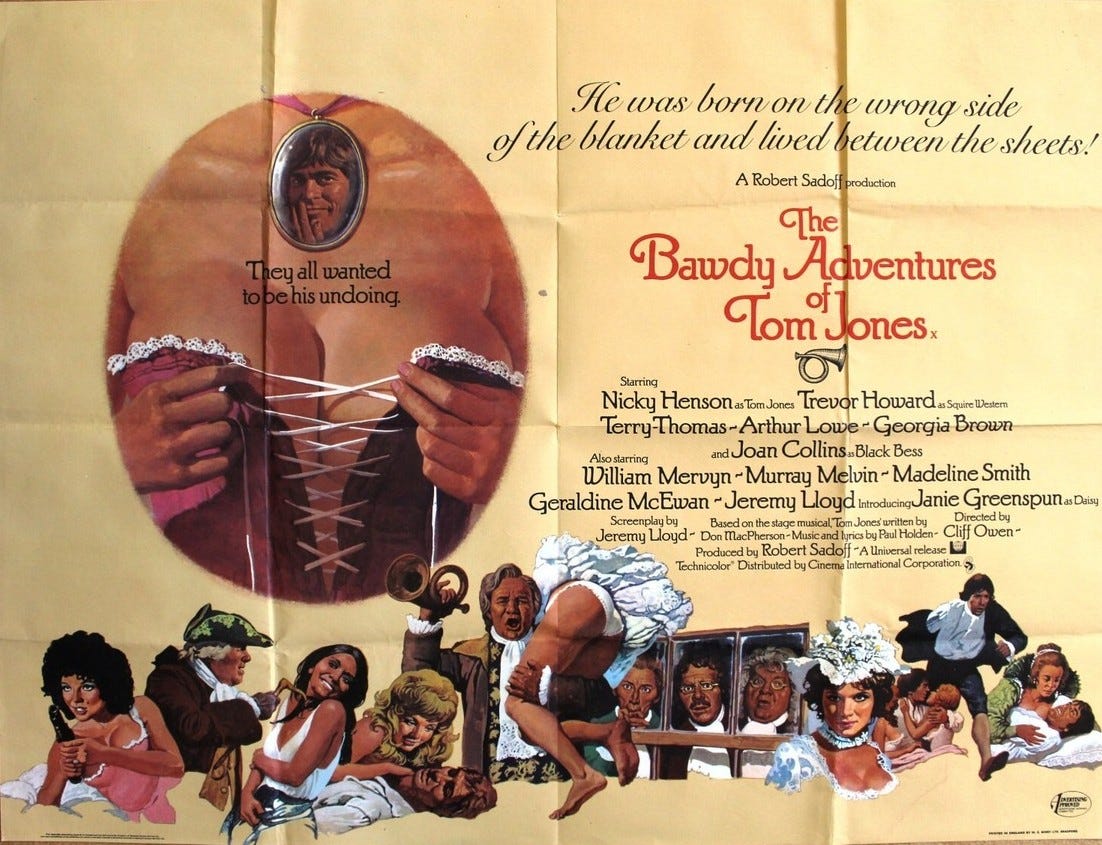
The Capitol cinema hosted a mix of sex and thrills, with The Bawdy Adventures of Tom Jones on one screen, and the Spielberg debut Dual on the other. The former was nothing to do with the ‘sex bomb’ Welsh popstar, but an X-certificate comedy romp featuring the ubiquitous Joan Collins. The cinema poster strangely foreshadowed the 1980 film The Great Rock ‘n’ Roll Swindle which told a heavily mythologised story of the Sex Pistols through a tableau of licentious period vignettes.
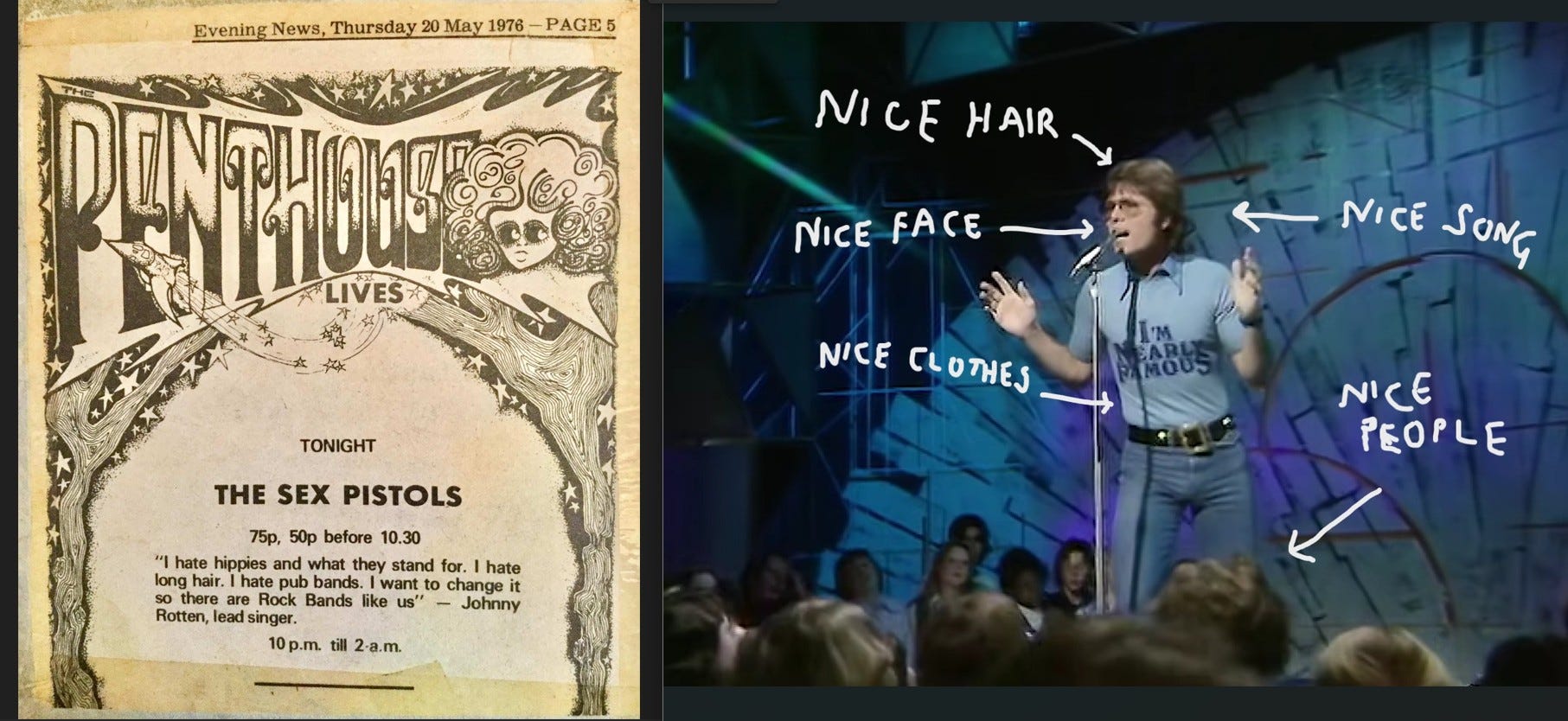
Look closely at page 5 of the Evening News and you would read a small announcement for a little-known band at the Penthouse – The Sex Pistols. It quotes frontman Johnny Rotten letting everyone know how he is going to change the face of music. It comes from a Sounds feature, with the journalist Jonh Ingham noting how Rotten fixed him with a non-stop “sneer and direct-eye blitz”. Rotten concludes the interview by declaring: “I’m against people who just complain about Top of the Pops and don’t do anything. I want people to go out and start something, to see us and start something”.
As the Sex Pistols were preparing for their gig, Top of the Pops was broadcasting its weekly instalment. It concluded with host David Hamilton introducing the number one single, Cliff Richard’s ‘Devil Woman’. Wearing tight jeans, a tee-shirt announcing his LP I’m Nearly Famous, and sporting oh-so-nice hair he enraptured the studio audience. Other people were thinking of just maybe starting something…
BOARD 4 – …HERE’S THE SEX PISTOLS
“We were so intensely disliked, there was no real audience outside of the 100 Club. Anywhere else you were taking your life in your hands. We’d go up north and we’d be lucky to return. We played all sorts of weird places like Scarborough and Barnsley.” John Lydon
The four musicians and two staff headed north, with McLaren staying behind in London. Memories fades and myths cohere from exaggerations, the mundane becoming the epic. The hired van was unable to climb hills, making the journey from Northallerton a challenge and conjuring up a vision of colourful, rag-tag delinquents cursing and kicking a stubborn vehicle like a misappointed scene from Last of the Summer Wine. On arrival in Scarborough, bassist Glen Matlock recalls being hastily ejected from a hostelry as he and Rotten sought shelter and a pre-gig beverage. The punk pioneers felt as if they were from Mars.
Situated at 35 St Nicholas Street, the Penthouse club occupied the top floor of a splendid Georgian townhouse that had served as the town hall, a ballroom, a billiards hall and a cinema. Whitby businessman Peter Adams converted it to a bespoke club, motivated by an incident when he was spurned entry into a club due to his clothing style. The Penthouse was thus defiantly imprinted with Adams’ countercultural vision that merged Afro-futurism, Art Nouveau and Tolkien fantasy – ready to embrace the 70s.
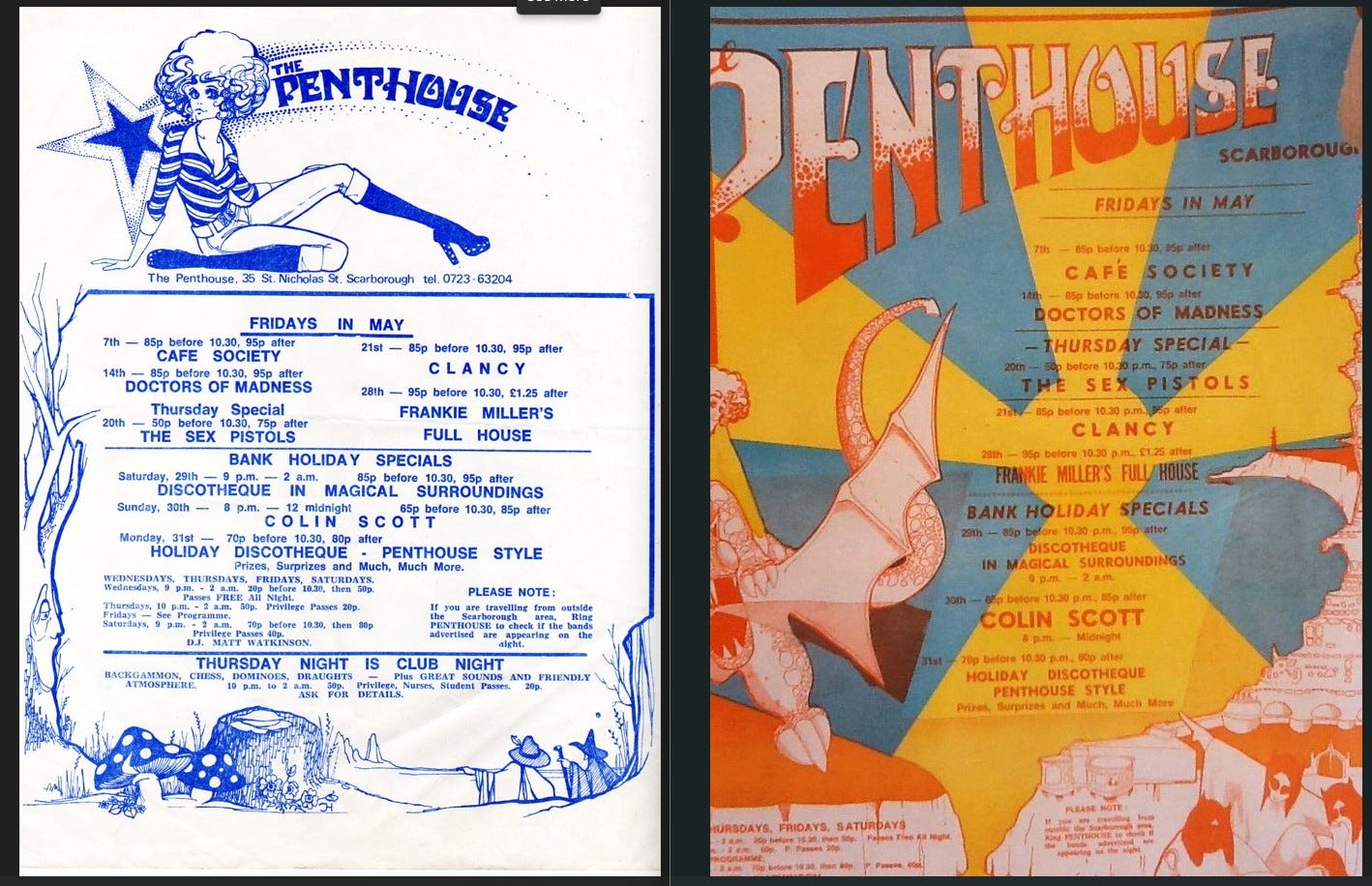
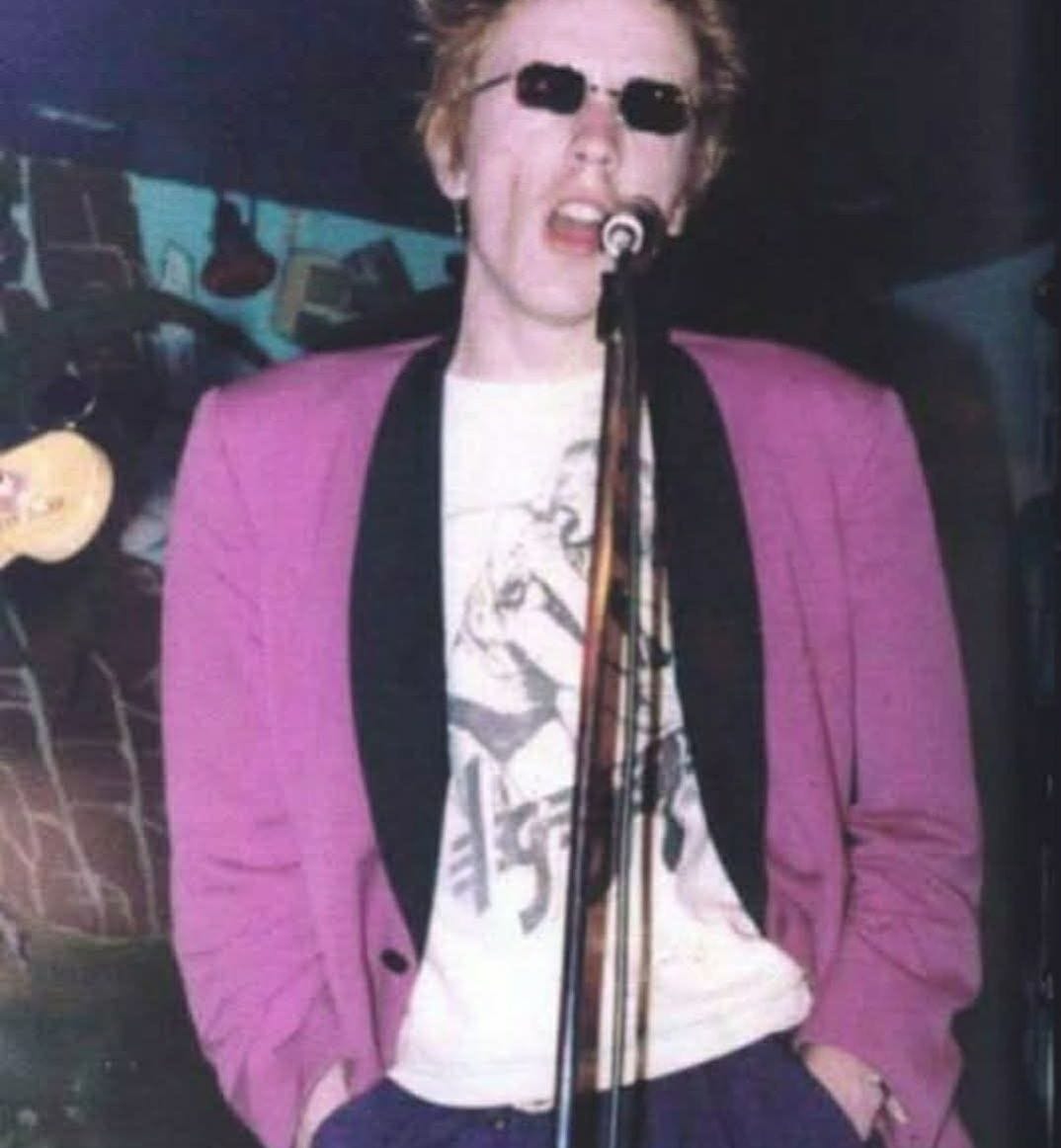
In May 1976 that vision was about to have time called upon it, as a punk advance party arrived in the provinces. They were received by a meagre crowd, most of whom were not prepared for what was to follow. The Sex Pistols were well-versed and skilled musicians, but they chose to play on the cusp of disorder to wind up audiences. Tonight was no different, the band spending a deliberate eternity messing about with tuning at top volume. Patience frittered as Rotten, looking the part in a pink drape jacket, set about insulting people. A few numbers were dutifully performed, confrontation bristled and they beat a hasty retreat to the besieged dressing room. Seemingly insignificant, but a moment in history.
Here’s the link to the Scarborough May Bank Holiday film - it’s worth a watch.
The Berlin Wall…I’m looking over it and at a past that I recognise so well, Ian.
You’ve made me homesick and nostalgic for that past that was, as it turned out, so much better than the future yet to come.
With apologies to Pete Shelley.
The film is very interesting. I particularly noted the way people seemed to be confined by their clothes and their situations. How I remember 1976 as a 14 year old - stasis, confinement. I note that [absent from the film] "punk" is contrasted to the general culture and popular music rather than to "prog rock" which I was a bit too young to be interested in. As someone who was born in Margate in 1962 but moved to Broadstairs in 1964, the mechanics of the Bank Holiday were less my concern than the reality of living in a seaside resort - an entirely different experience to visiting one - but I did have a Saturday and holiday job at Morelli's ice cream parlour in Broadstairs from 1978 to 1983 (I worked two Easter and one Summer holidays while at university in London from 1981 to 1984 before poor performance in my second year exams necessitated revision rather than work in vacations). In summer we worked [illegally] six nine-hour days, with the illegal additional hours paid without tax or National Insurance. Therefore, I know some of the work that goes into the visitors' experience. As well as mopping floors late at night in high summer, with Sham 69's "Sunday morning nightmare" blaring out from the jukebox in contrast to the manageress' preference for Vegas Elvis. The Pistols were banned, someone persuaded the management to accept Pretty Vacant, but that only lasted until the b-side was played and the word "fuckology" was heard. A lost world unmorned.