
S/C
Re-Blitzed and New Wave explicanda - part 2

This Is What You Want, This Is What You Get
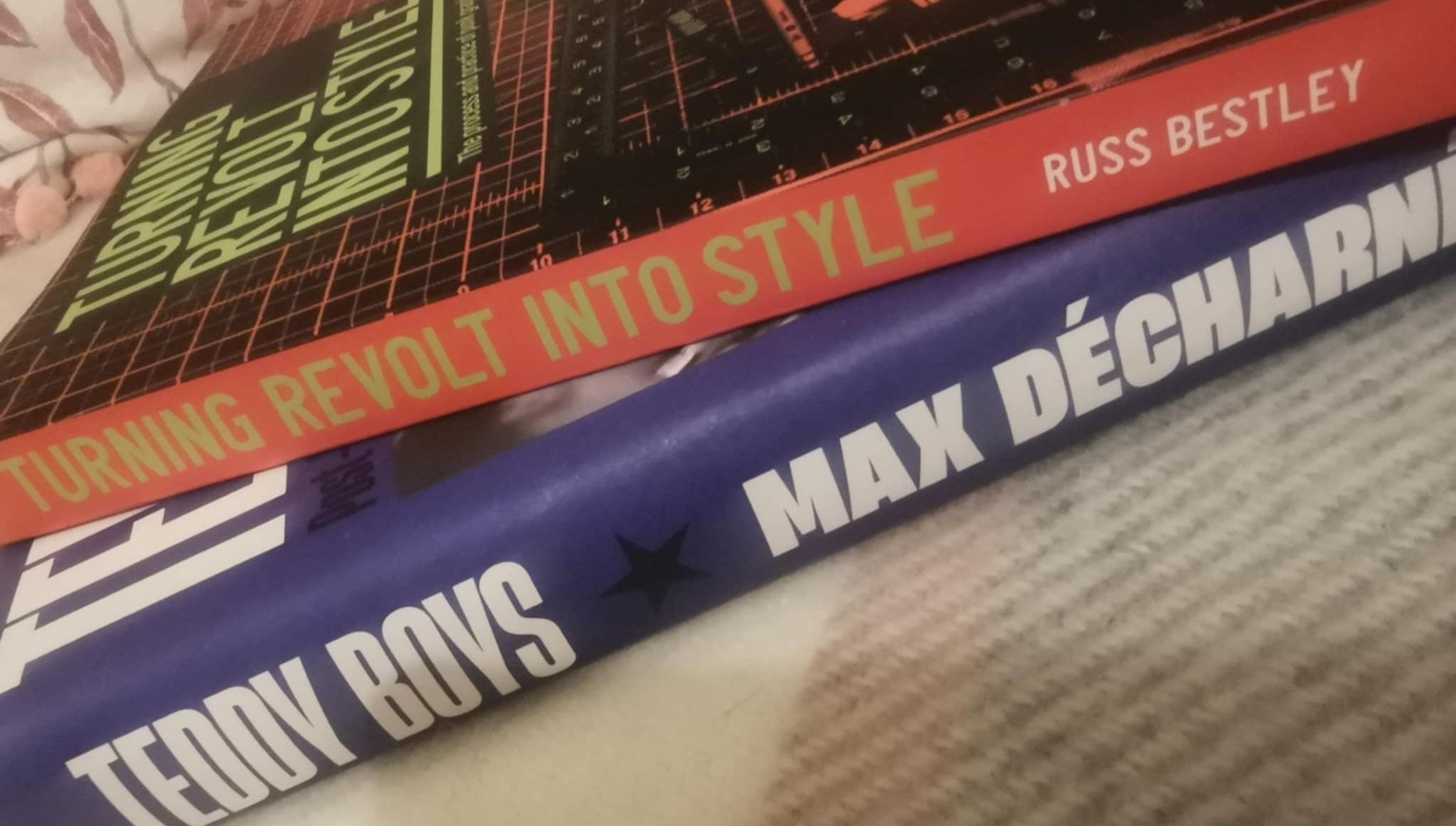
Russ Bestley, along with Alex Ogg, produced the large format Art of Punk in 2012. It was reprinted, with some additional introductions, in 2022, though both versions are now relatively hard to source and maintain a high price on vendor sites such as Abe Books. Art of Punk did what it said on the tin, presenting a steady and expertly explained history on the visual tradition of punk via sleeves, adverts, flyers and posters. It was not a coffee table book per se, but it could certainly function in this regard. It was told through the visual output – this is what you want, this is what you get - at a number of (meta-)levels from the visual subject nature of punk corpus under examination to the book itself as a product.
Turning Revolt into Style feels like the book that Bestley has been wanting to write for many years – not so much as an ‘unwriting’ of Art of Punk, but certainly a hard reset. Punk coagulates into cliches and tall tales, and the visual of punk is no exception. In fact, it is an exemplar for cliche. You feel that this irks Bestley, and he sets out to dismantle and destabilise unchallenged and spurious constructions and conceptions.
This idea of a circumscribed and hermetically sealed punk rock in which a product sits inside which is ‘punk’ no matter from which angle you look at it or no matter how hard you tear it apart. The bits from punk, and the bits from the bits from punk are punk through-and-through. Sub-atomic cliches. Similarly, things that aren’t punk as a coherent assemblage cannot have punk components when you break them down. This is clearly not the case, and Bestley sets out explore this with an equally calm and even-handed approach as to that taken in Art of Punk.
There is structuralist approach that plumps for a combination of the synchronic (full and complex analysis of a structure at a point in time) and the diachronic (an examination of an aspect of structure as it is subjected to external conditions over time). Combining the two can be a bit dangerous, as a body of work representing a structure can quickly get out of control. A snapshot of a system does not change over time in a neat and synchronised manner – some bits go in different directions at different speeds resulting in new snapshots. It’s like pedalling backwards while changing gears on bike – something that is quite likely to lead to a grinding noise and a chain wedged into a derailleur.
However, Bestley keeps the punk pushbike moving forward. His proposal is that design can be split between absolute novice or non-designers who are swept up with the wider DIY ethos of punk, a new breed of emergent designers who are inspired by punk and take on board different degrees of contextualised playfulness and antagonism, and finally an established family of designers in the industry who both bend to the will of punk and take it into directions of their choosing as commercial pressures from major record labels bear down.
His diachronic remit covers a technologically and politically shifting period of the late-1970s and early to mid-1980s. Each of the design cohorts responds and navigates challenges and opportunities differently, shifting what is actually an amorphous whole of design in a gloopy fashion – even if mainstream punk histories offer us a homogeneous picture. Finding a middle ground between structural chaos and a prefabricated ur-punk involves breaking down numerous fallacies such as the myth of abundant photocopying opportunities concurrent with punk’s boom period and re-examining the over-attribution of art schools.
For the purpose of linking Turning Revolt into Style into the previous two books I reviewed, Bestley lurches towards the awkward territory of new wave and new pop at various points in the text, heading towards a concluding chapter that feels like new pop signals the end of something – because it both absorbs punk design and negates it.
Taking the mischievous spirit of punk design, he christens an early chapter ‘New Sounds, New Styles’ well in advance of mentioning the short-lived magazine of the same name which is often seen as some kind of simulacra of The Face and Blitz. What Adkins might consider as new wave design (either music itself or visual wrapping) hinges upon notions of the postmodern. Bestley grapples with the temporal staging of modernism and postmodernism, acknowledging that it is not hard and fast and depends upon geography and the discursive investments of the authoritative academic voice.
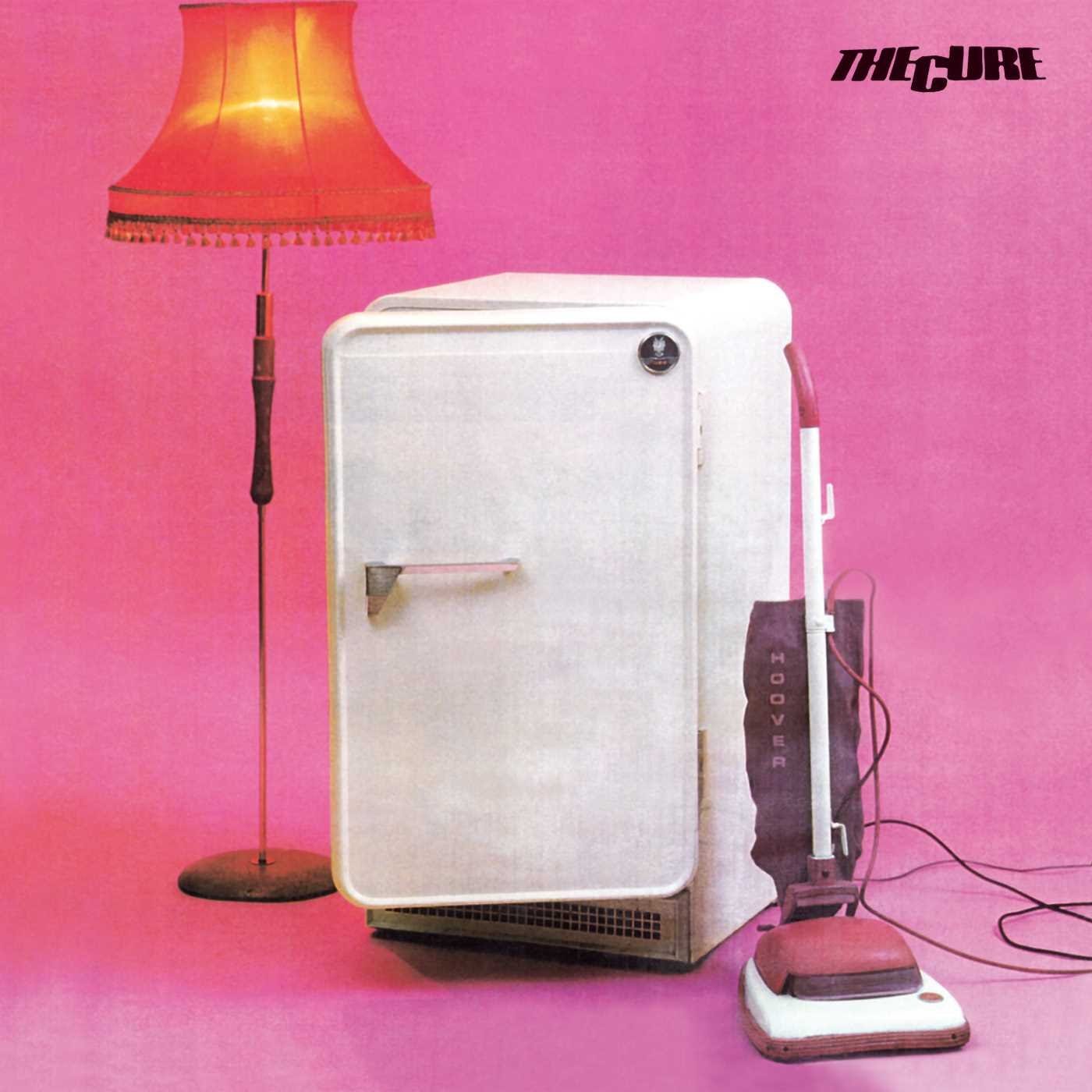
What interest me, and also resonates with my own youthful record purchasing, is the gradual emergence of what we might call new wave sleeve designs (and advertising) in advance of actual new wave music. The incredible Bill Smith cover for The Cure’s Three Imaginary Boys is a case in point – a record that I bought in 1979 and still have. I felt (and still feel) transfixed by the whole visual package from the abstract cover and coded jigsaw of track-title hieroglyphs.
Bestley covers this sleeve in the middle of the book, as there is an inclination to have a chronological underpinning to the whole work. Bill Smith’s backstory as both art student and employed designer is set out, and we see someone who draws from proto-conceptual (or quasi-politicised) pop artists such as Richard Hamilton. What is amusing is that the sleeve emerged as (Bill) Smith’s project and was not well received by (Robert) Smith and the band. It stands now as a towering moment of new wave design, with the added twist that it resonates uncannily strongly with concurrent(ish) work by a just-starting-out Jeff Koons. We are not sure if one informed the other, or whether it was a serendipitous shared something in the post-Richard-Hamilton zeitgeist.
Sub-Archaeology
Max Décharné published Teddy Boys in 2024, and the book has just been printed in paperback format meaning that you can pick up cheaper copies of the hardback for a month or so. I don’t know much about Max Décharné, but he has a great name that resembles a superhero with diacritical powers, dispensing accents like Spiderman shoots sticky web. He started out as an underground writer and then played drums in the post-punk band Gallon Drunk who staggered through the 1990s as a counterpoint to Britpop. By the turn of the millennium Décharné was finding his feet as a writer, leading to numerous publications including a book on the subcultural history of King’s Road which is on my to-buy list. This is because he is a great writer that holds your attention.
Teddy Boys is incredibly well written and sourced. Décharné acknowledges the Teds as the inaugural subculture, and the fact that they occupy by rote a starting point in the numerous guides to post-war subcultural scenes in the UK. At the same time he notes that most things written about them increasingly functions like a chunk of AI, uncritically buttressing the oft-repeated myths. Like Bestley tackling punk design in the book above, Décharné dismantles much of this very carefully and slowly, not wanting to gloat about disproving an immense body of work, but to simply get the story right and explore the niches and nuances of the 1950s world for young people.
His writing is confident and lively, digging into newspapers, popular culture artefacts like pulp fiction books, films and documentaries, whilst also adding testimony from a number of interview subjects. Thankfully he also steers well away from the bizarre trend for overdetermining Teds with Marxist struggle connotations as feverishly undertaken by the Birmingham Centre for Contemporary Cultural Studies in the 1970s. Décharné is capable of writing a robust and informative book without reaching for spurious academic concepts and language.
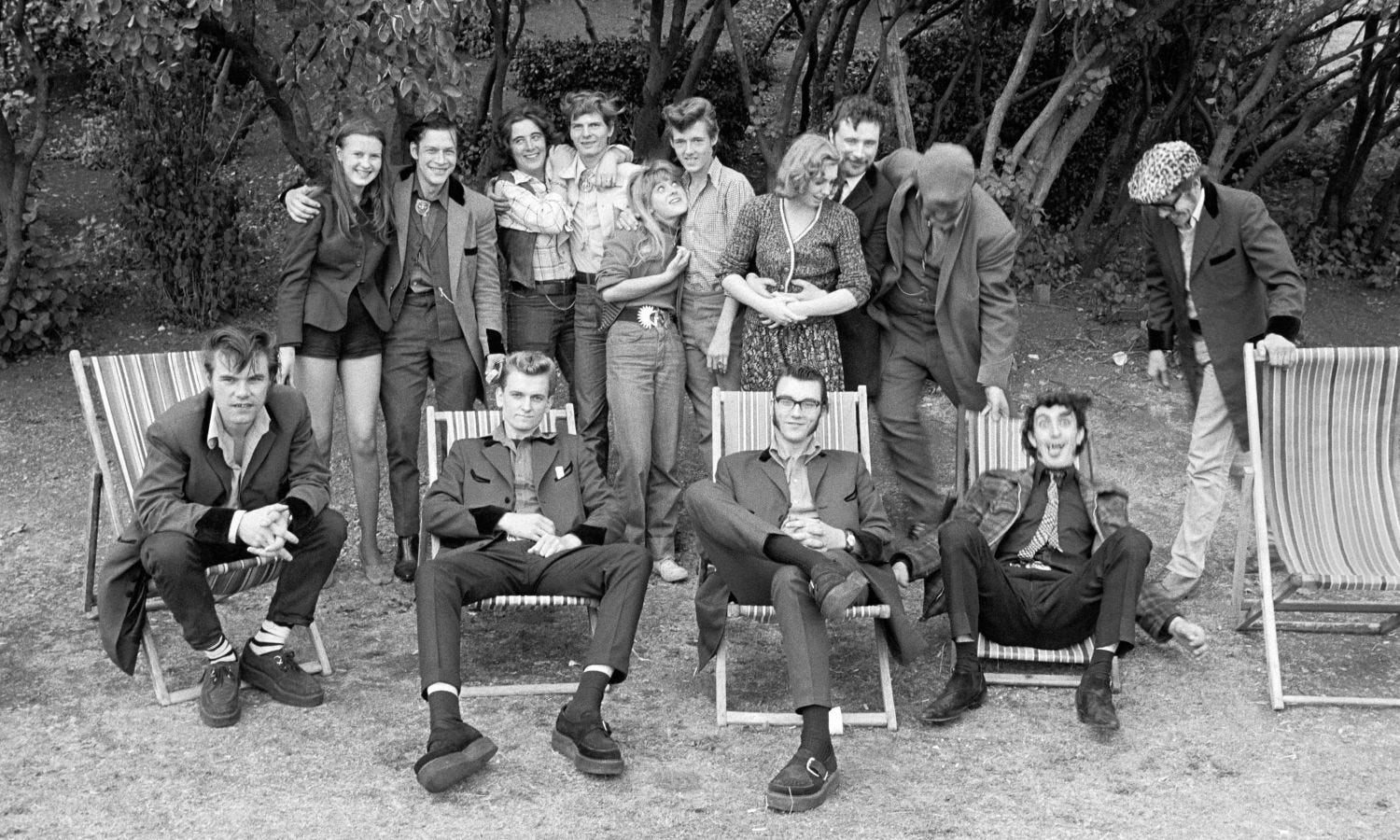
The book commences with Décharné’s own youth in the mid-70s, with the residual potency of Teddy boy ephemera like bootlace ties, drainpipe trousers, fluorescent socks and brothel-creepers polluting all the subcultures around glam and early punk like demonic totems. With punk it was a double-edged sword, with some punks utilising the menace of Teddy boy insignia whilst at the same time an anti-punk resurgence in Teddy boys occurring which seemed to be a groundswell of people too young to be 1950s Teds but too old to be newly-minted punks. These would be the characters in Chris Steele-Perkins 1979 book Teds.
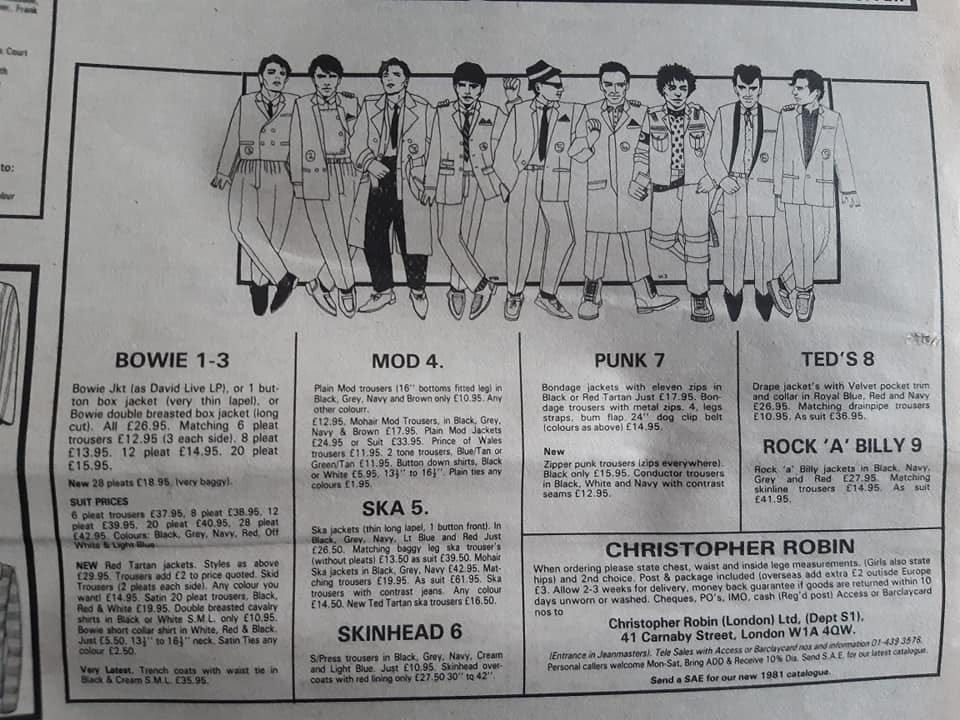
They were even around into the 1980s as can be seen from the press clipping that formed the start point of my own project in the first SUB>SUMED essay.
Young people dressing as a tribe, setting out against the mainstream, has been explored in a pre-Ted context by Jon Savage, whilst the history of popular fears surrounding young gangs in British history was backdated in Geoffrey Pearson’s Hooligan (1983). Décharné’s main takeaway is that Teds as a working-class style movement pre-dated its attachment to rock’n’roll. His second argument is that society was desperate to constantly pin a threat on a strata of delinquent youth, conjuring up a variety of shock-tactic names that flowed through the newspapers and parliament-speak of the time – spivs, wide boys, hooligans, cosh boys. As soon as the Teds emerged with their distinctive style of dress their name became a byword for everything relating to terror, fear and decline of societal values. The media scare fell into place with the July 1953 fight and subsequent murder on Clapham Common involving a gang of young Teds.
It takes around half of the book for a music element to emerge, and this is right as Décharné argues that Teds as a working-class style tribe flowed through popular culture in numerous dramatisations and newsstand paperbacks. When the seminal music moment occurred, the start of Blackboard Jungle (1955) featuring the stirring opening strings and drum roll of Bill Haley and Comets’ ‘Rock Around the Clock’, it was the cinema-going Teds who latched on to this and began spontaneous dancing and rioting in cinemas. This meant that the die was cast for the music movement, as it cemented itself to the Ted scene. The rest, as they say, is history – even if Décharné will argue that there was an important pre-history.
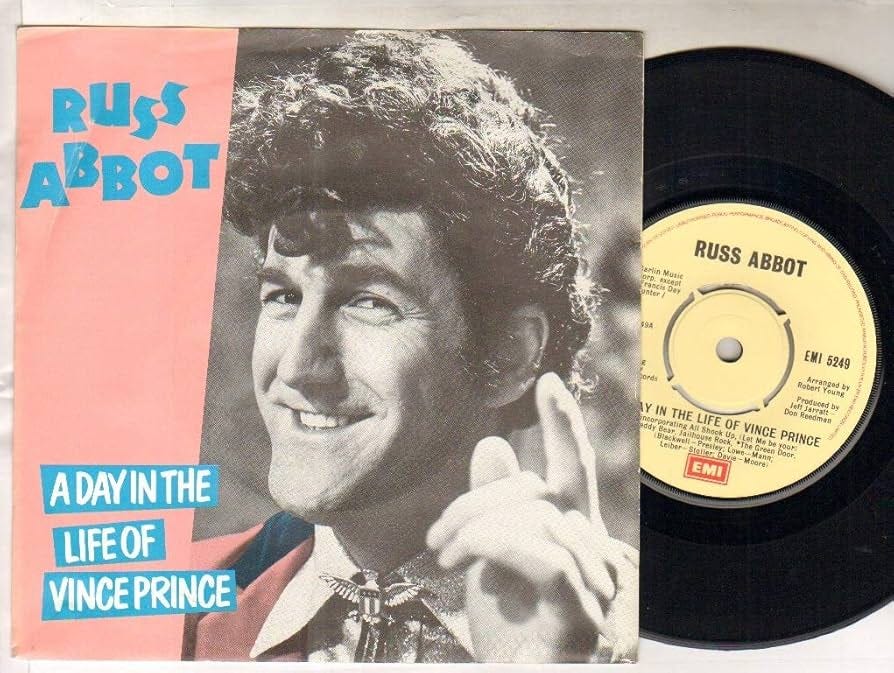
If there’s a consistent autobiographical thread to SUB>SUMED, then I can’t claim that Teds have ever intersected with my own subcultural journey. As Décharné observes, the 1980s Ted was a sad caricature symbolised by Russ Abbot’s Vince Prince abomination and Hi-de-Hi’s time-trapped Ted Bovis. Tragic figures. I’m including this book in the quartet of reviews as its simply a great example of research and writing.
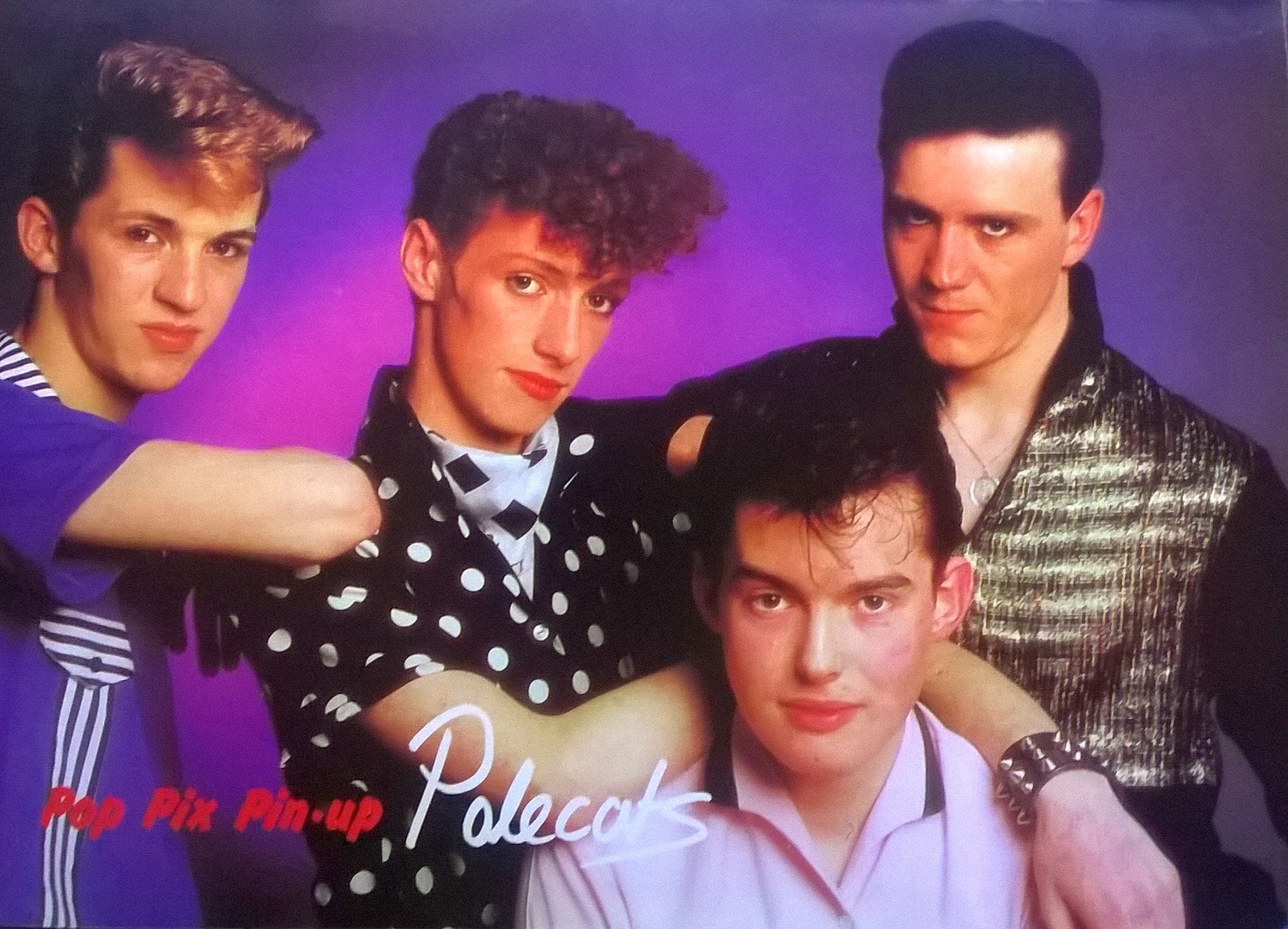
Can I possibly extract a new wave theme from the story to round off the continuity? Décharné doesn’t venture too far into Ted revivals and fractions, with the cursory mention of Steele-Perkins’ iconic 1979 book of photographs and short essays. However, there was a rockabilly revival/scene around 1980 with bands like The Polecats who grabbed my attention. This felt like, to me, a natural follow-on to new wave with an emphasis on visuals, coloured vinyl, pink overkill, incredible clothes. It was, momentarily, my own way out of punk. Tim Polecat has always stressed his affinity with punk, and this is what drew me to the band and they style. They were an intermediary to the likes of Theatre of Hate, part of my own sartorial path.
I’d always assumed Three Imaginary Boys was Rob’s idea. Damn. Anyway it chimed with me.