Why the Long Face?
Heaven 17, anti-imagery, and The Luxury Gap (part 3 - Heaven 17 vs Yuppies)

// part 3 covers the immediate period after the autumn 1981 album Penthouse and Pavement with a number of press interviews - I am interested in both the contemporaneous and contemporary framing of Heaven 17’s business look – this essay focuses a little less on the band and is more about how and when we could apply the term yuppie //
Penthouse and Pavement was, and remains, a fine release. It was another record I bought on the day and that I still have in my collection after numerous phases of losing records, giving records away, selling records when I have a ‘taste change’, etc. Personally, the tracks ‘Let’s All Make a Bomb’ and ‘Song with No Name’ from the Penthouse side stand out. There is a continuity to what the original Human League could have become, a kind of unfinished business. I file my records alphabetically, but only to one letter, so Heaven 17 and Human League have sat alongside each other since 1981.
With the release of the album there followed a batch of press features. The band offered up several contexts for potential interviewers: the music itself, the rationale behind the tracks given as a metaphor for movement between (British) classes, the corporate image and modus operandi activated by the trio, and the next phase of BEF with the Music of Quality and Distinction album about to bear fruit. Obviously these contexts dovetailed and overlapped. It is how this ‘conflation’ has travelled forwards in time and been warped through a more-contemporary lens that interests me.
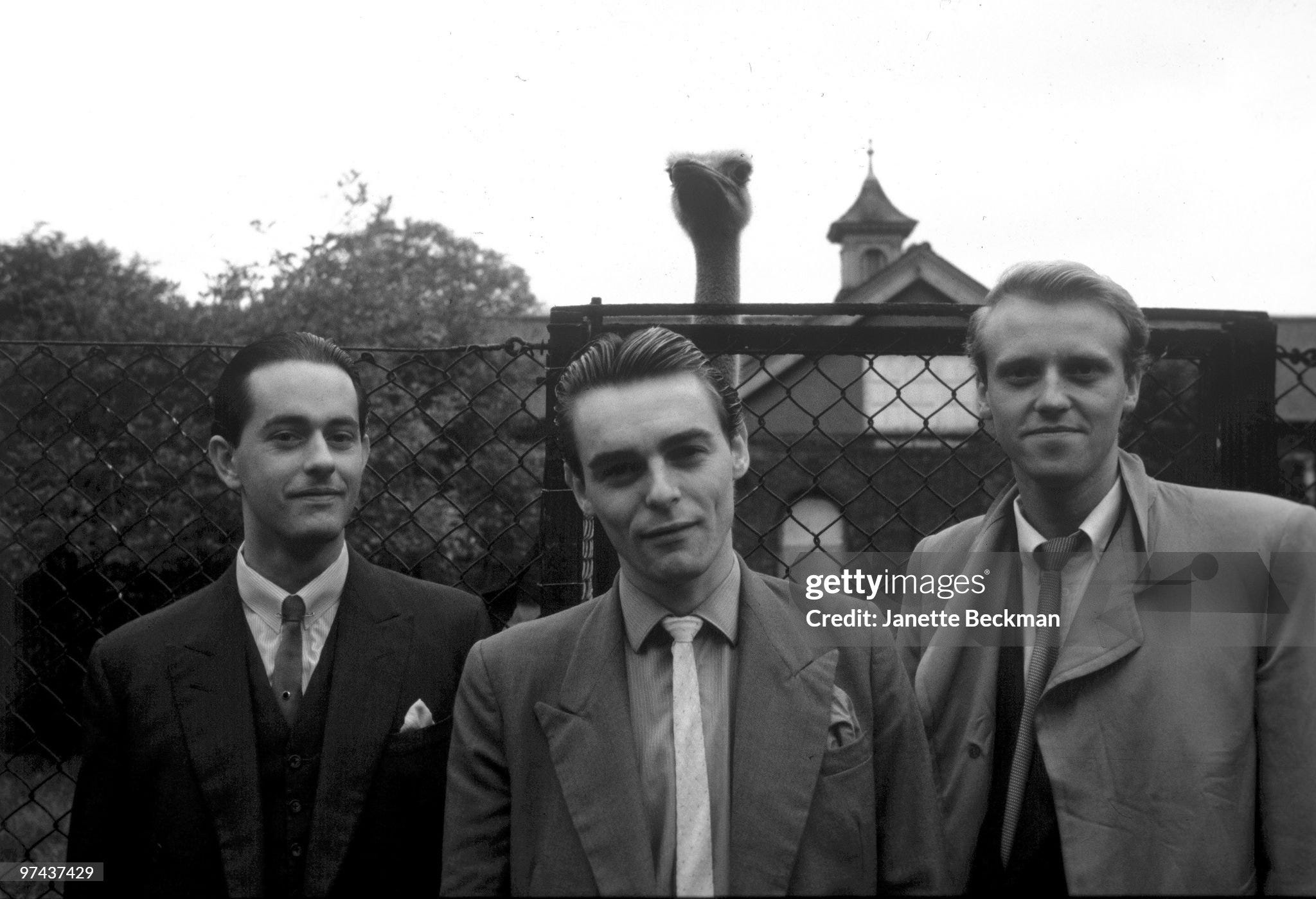
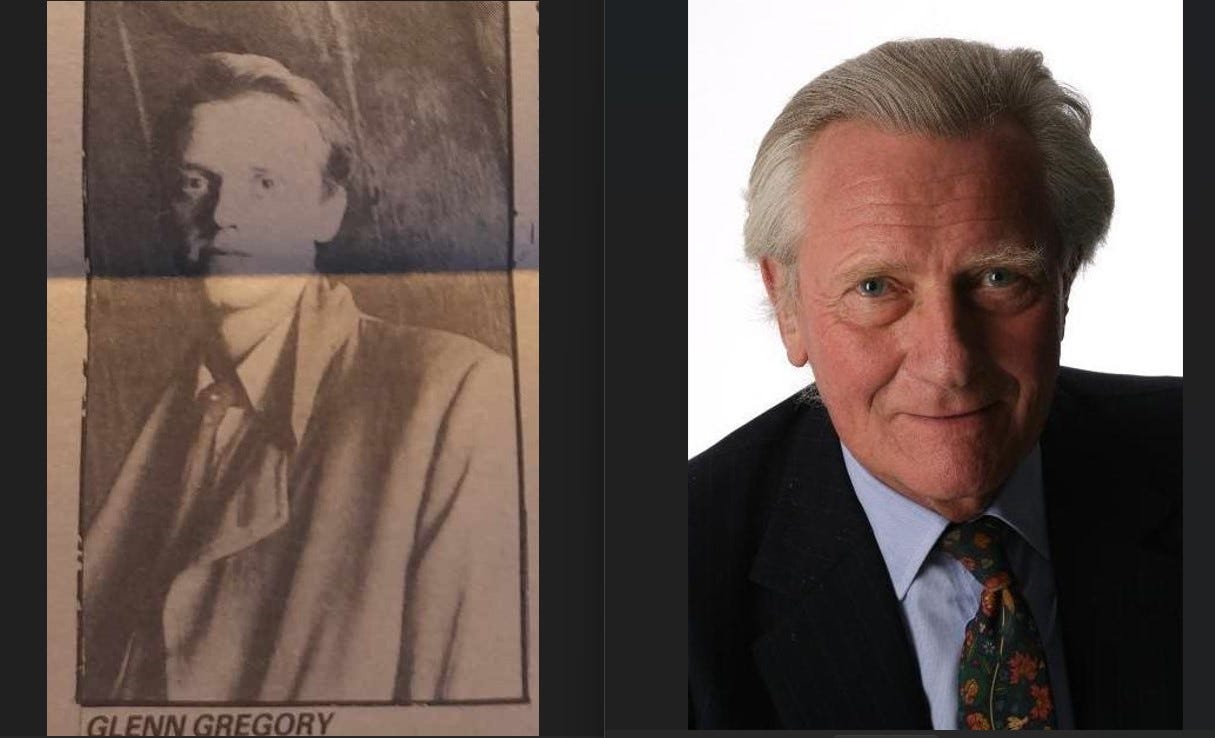
Melody Maker (issue date 3 October 1981) is a good place to start. Heaven 17 get a decent two-page spread and photographs by the esteemed Janette Beckman whose work has recently been celebrated in a number of publications. Journalist Lynden Barber, who reviewed the album favourably, sets the tone and covers a lot of background detail as this is (I think) the band’s first feature in the paper. The corporate approach and look is broached, and the text gives us a clearer picture of the context at the time. The word yuppie is evidently not in use, and neither is the idea of a young and fashionable go-getter who fetishises a luxury business suit. Instead, Barber uses the term “corporate man” and compares Glenn Gregory to Michael Heseltine (at the time, the Secretary of State for the Environment and famed for his striking blond hair and cutthroat business sense).
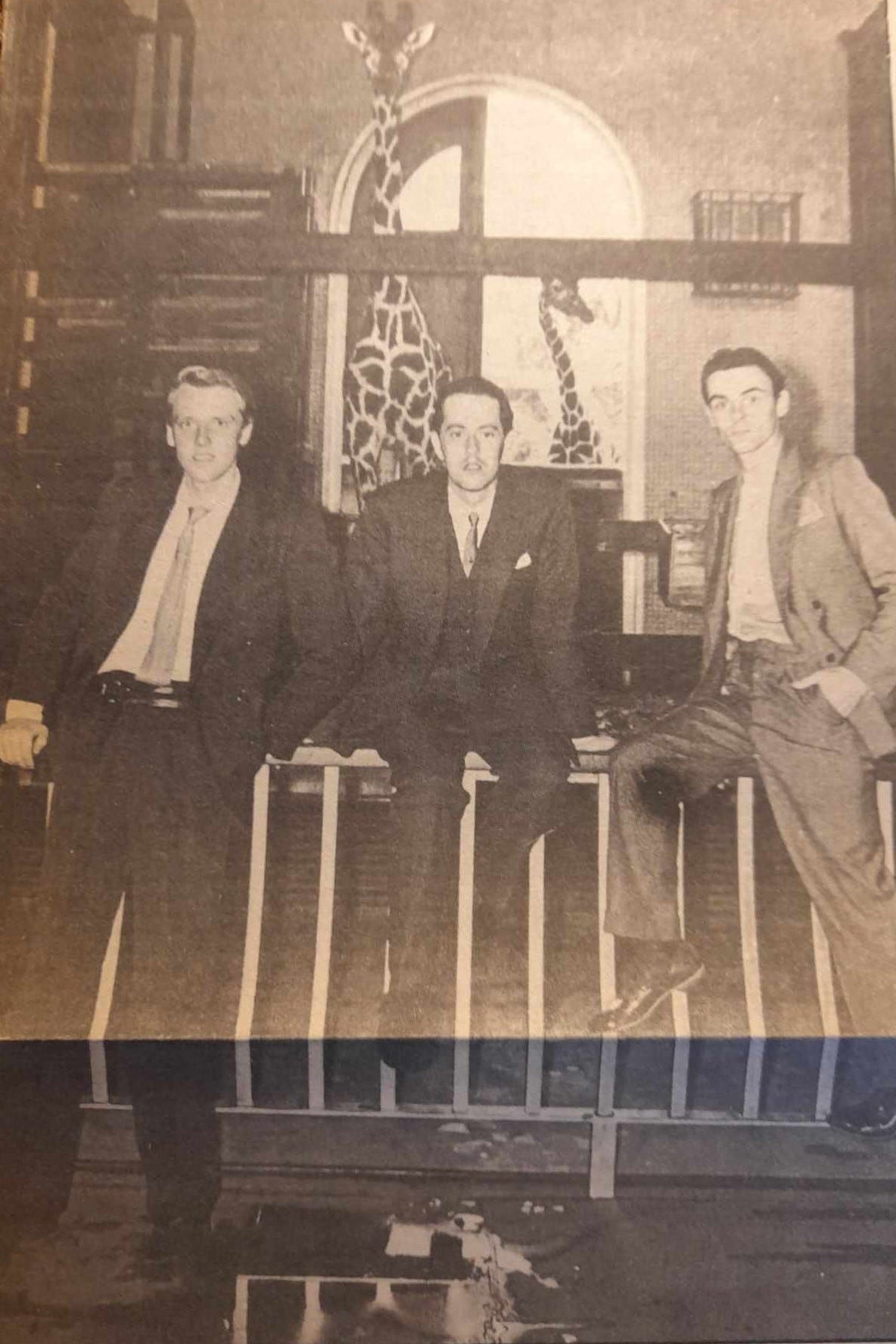
Barber uses the article to queer the pitch by floating ideas of Marxism and the recent summer 1981 British riots, noting that Heaven 17 are playing capitalists whilst acknowledging that the power of irony can have a critical edge. Loose threads are left hanging. Beckman’s photographs, or at least the setting, are odd, and strangely are not referred to or punned upon in the piece. The main photograph has the trio assembled on the fringe of the viewing windows of London Zoo’s giraffe house, whilst an unused pic from the session has them outside the ostrich enclosure with its somewhat ‘toytown’ house. This is the first time we see their corporate look that matches the album sleeve artwork. The hired zoot suits are gone and we have serious business suits, slicked back hair (and presumably the ponytails). As I said in the previous essay part, it’s a look that doesn’t feel retrograde, but the context of a fashionable (subcultural?) looking businessman did not exist at the time. So, it’s a powerful and powerfully confusing look.
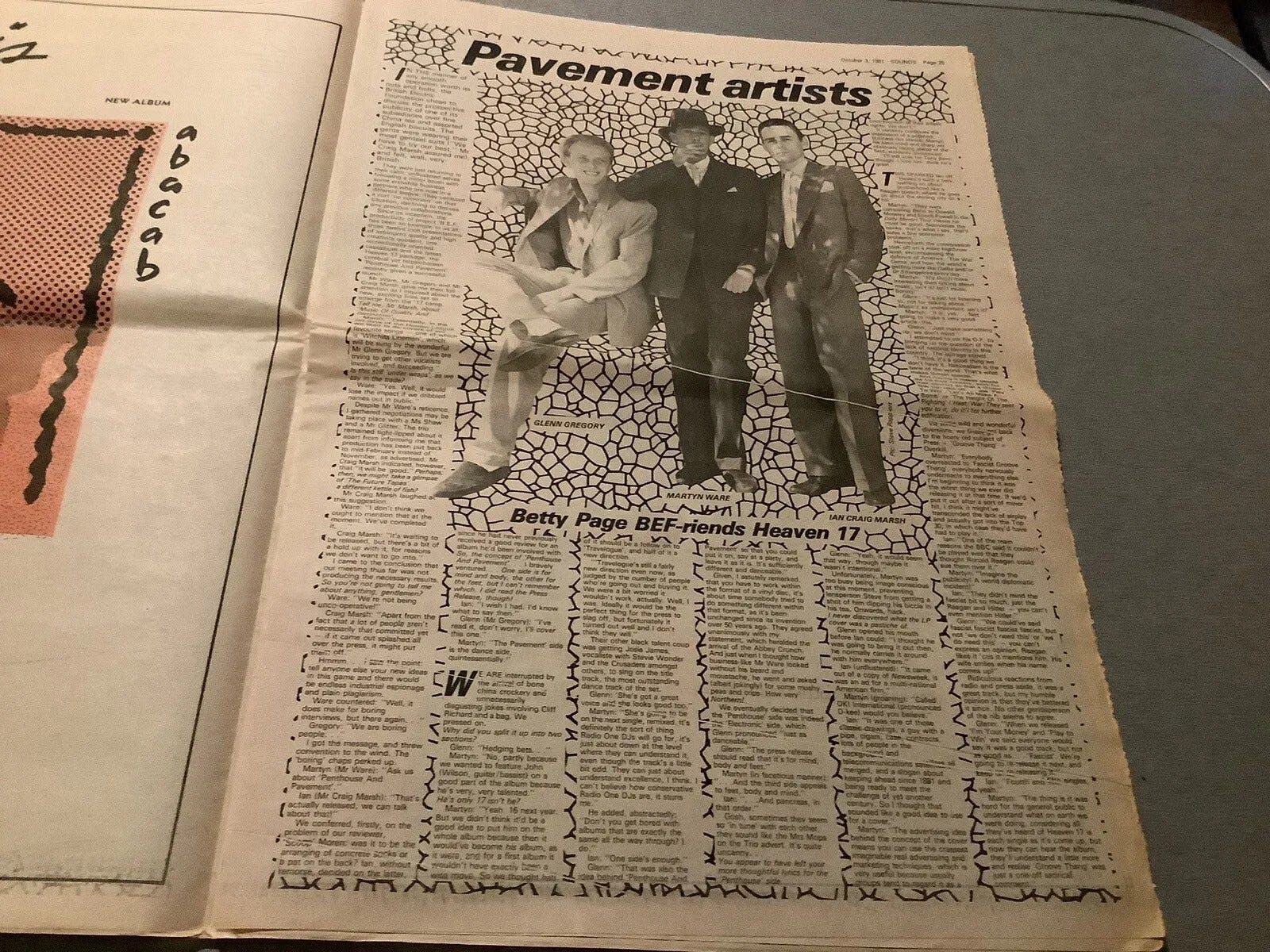
Sounds run a feature in the same week, though it’s only a page. They use a cut-out of the Steve Rapport photographs with the hired zoot suits, superimposing it over a cracked motif and so eradicating a sense of period grandeur. This, I presume, is the pavement theme of the article title ‘Pavement artists’ – there was a thing for ‘crazy paving’ in the 70s and even my dad had a go in our measly back garden. Written in a casual tone, it’s not an overly insightful feature – although we do get the reveal of the inspiration for the album artwork. We must also note that The Human League (or at least a yawning Phil Oakey) hogs the front cover. Through these early years the singles from Heaven 17 and Human League would commonly overlap in release schedule, as did the albums Dare and Penthouse and Pavement. It must have been frustrating for the band.
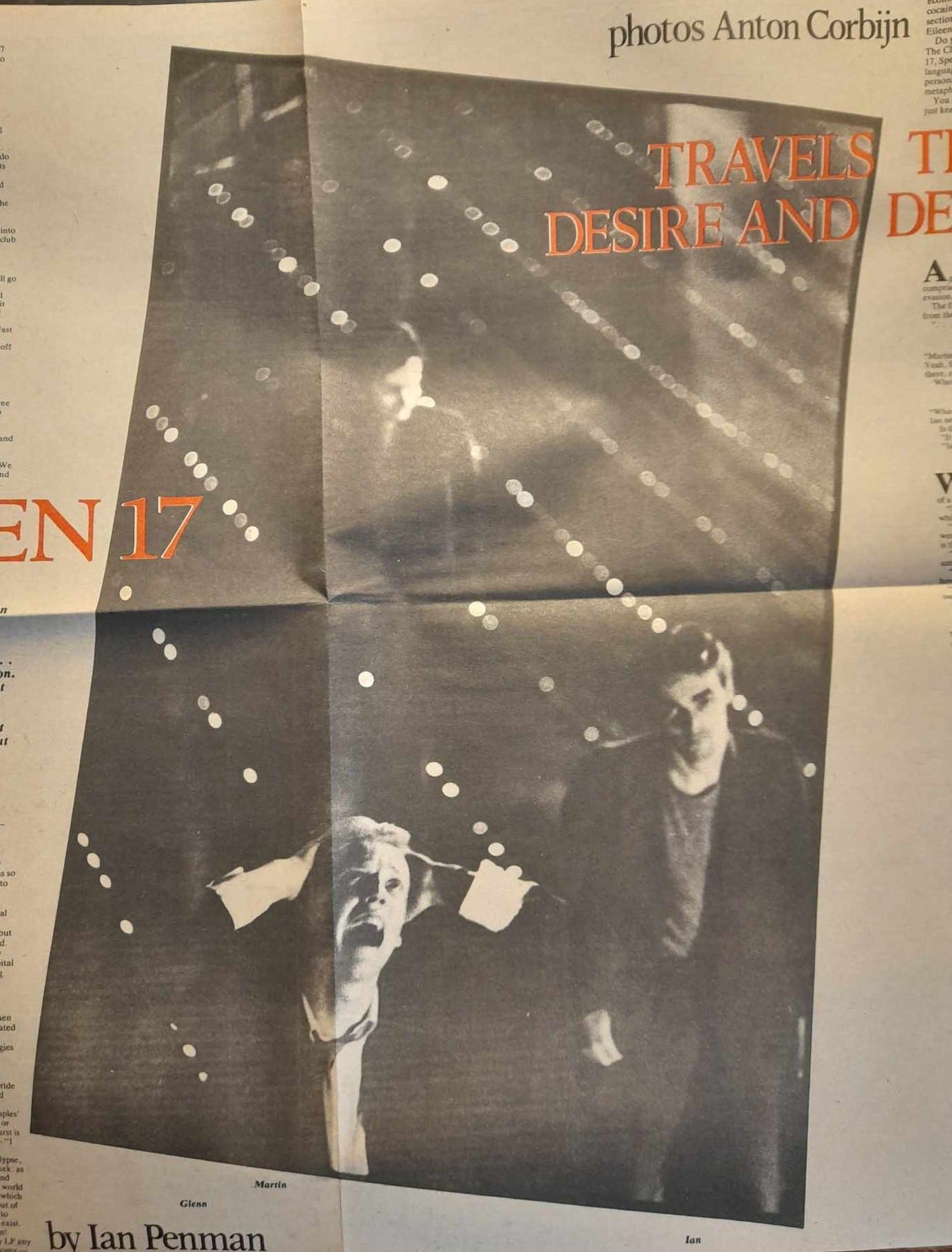
The NME runs a major feature two weeks later, catching up with the trio as they put in a number of appearances at discotheques and clubs in Scotland and northern England. It is the same week that Dare is released and ABC announce themselves with ‘Tears are not Enough’ – so a Sheffield shake-up. Ian Penman accompanies the band and uses his briefly embedded position to report from the moments of down-time when (he hopes, perhaps) that some kind of truth beyond the surface might reveal itself. Penman, one of NME’s intellectual cadre, is intrigued by the band’s attempt to narrate via the album the movement across classes, and the article is set out somewhat typically in a multitude of short paragraphs with randomised titles. Anton Corbijn is his photographer sidekick, and he gives us an offbeat and ‘out of uniform’ picture of the band away from their normal tightly controlled presentation. They are seen from a raised angle, out of focus in a diagonal sequence of light pulses, looking tired and contemplative. Objects caught in the headlights of consumption. Gregory clutches his head and screams upwards.
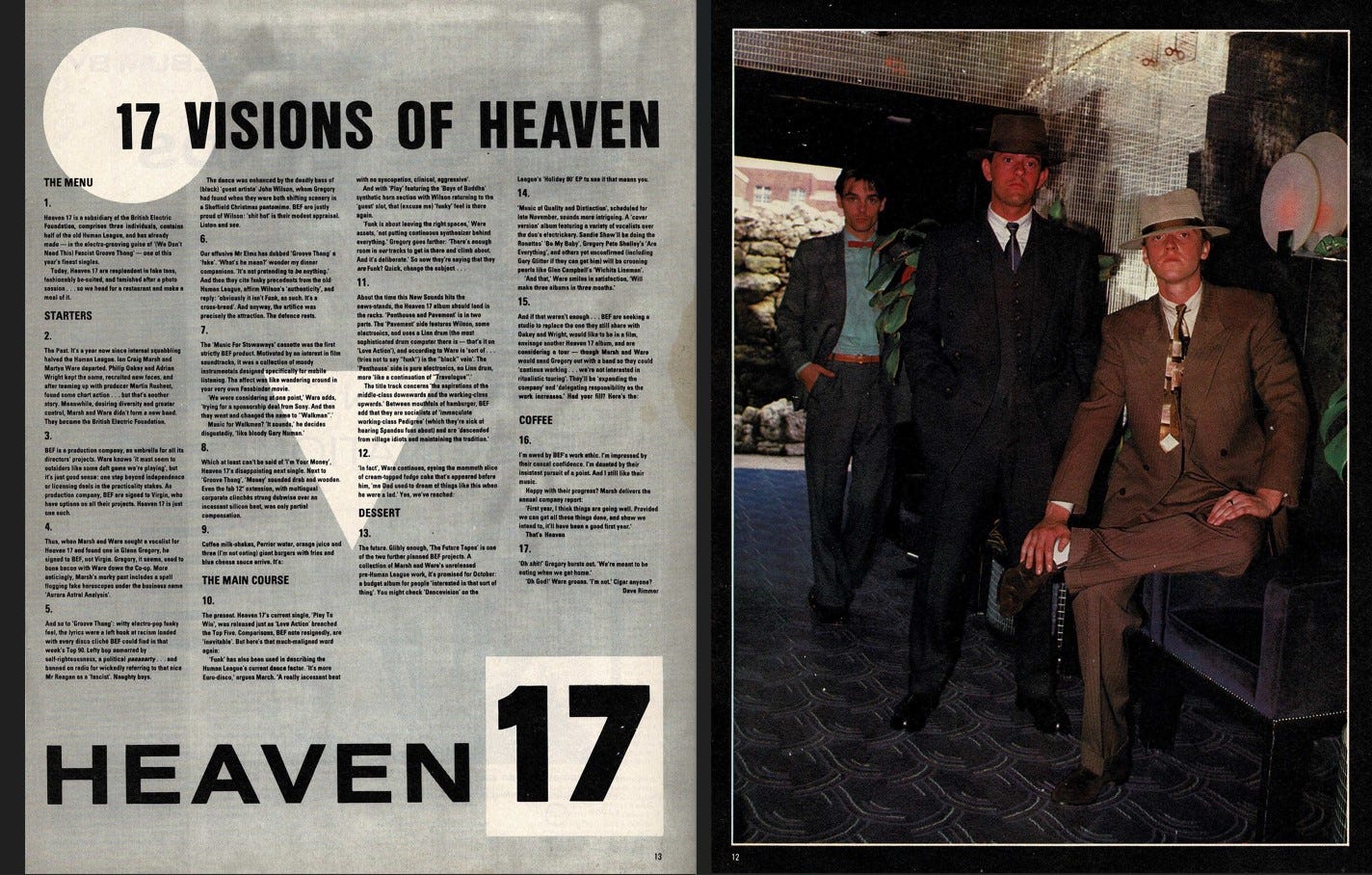
Finally, there is a short feature in the new romantic magazine New Sounds New Styles, seen as a rival to The Face in presenting artful and serious reports from the fashion and music of the time. The feature is by Dave Rimmer, who would go on to provide some of the best reflective writing of the early 80s new pop scene. It is a primer of what’s happened so far and what is to come. The accompanying photograph is a new outtake from the in-house zoot suit shoot at Kensington, obviously resonating with the style magazine readership.
“Within capitalism, therefore, it becomes possible for both fashion and clothing to be used to construct, signal and reproduce the desire for social mobility between classes as well as class identity itself” Malcolm Barnard, Fashion as Communication (1996)
Barnard’s writings on fashion are, perhaps, no longer ‘fashionable’, but I have always found his writing evocative, incisive and honest. This quote goes to the heart of the conceptual-theoretical ethos of Penthouse and Pavement; the idea of movement between classes at an actual and symbolic level. It ushers in a host of complex themes that were nagging away at Heaven 17, who saw themselves as working class lads true to their roots aspiration. The listener (or interpreter of lyrics) is exposed to the play-acting of the rich and poor, and a guilt of betraying roots against a ruthlessness of obscuring privileged roots in a self-serving manner. Heaven 17 had prompted the ire of go-to style journo gunslinger Robert Elms, who declared ‘Groove Thang’ as fake. Within a few months of the release of Penthouse and Pavement Elms would be pioneering the ‘Hard Times’ look, and practice of cultural slumming. Ware and Co had the last laugh here. But there was the other movement across classes, with Heaven 17 seeking some kind of reward for their efforts in their art. The ‘New Gold Dream’ of 80s pop. This caused them to question their motifs. Seeking solace in the irony (or otherwise?) of a corporate look only made things muddier.
But it gets even worse, and we need to discuss the dread ‘Y’ word. Heaven 17’s look would eventually be called yuppie, and indeed it is often referred to as yuppie. But in 1981 the term did not exist, and I’d also argue that in 1981 the concept-to-be (of trendy young men with a marked style of youth and wealth making lots of money) was also not fully formed. So, Heaven 17 were precociously ahead of things.
It is hard to imagine the feeling of seeing and reacting to their look at the time, as everything is obscured by the contemporary lens that has the yuppie as an imprimatur for the whole of the 80s. The yuppie as a risible character, a ‘bad actor’, seen as symptom of the Thatcherist deregulation of the markets and the move towards aggressive consumption. The style commentator Peter York, who co-opted the term ‘Sloane Ranger’ (and wrote various guides) would certainly be aware of a yuppie look if there was one. In 1984 he published a collected set of essays under the title Modern Times, a barometer reading of the time in terms of class and fashion. There is no mention of yuppies as a term in use, however, he covers something he labels as “executive style” - a look partly in passing and based upon older times. He offers a photograph and you get the impression it is not something akin to Heaven 17’s look, even though we get the angled glass-building backdrop. In his essay York mentions the band, stating “And – a bad sign – it’s starting to look rather quaint and sixties to some young stylists. A bit funny. Lads like the Heaven 17s – awfully clever and Conceptual really – are already starting to muck about with the Executive Style, tongue in cheek, just as if it was as period and as far away as the Jazz Age”.
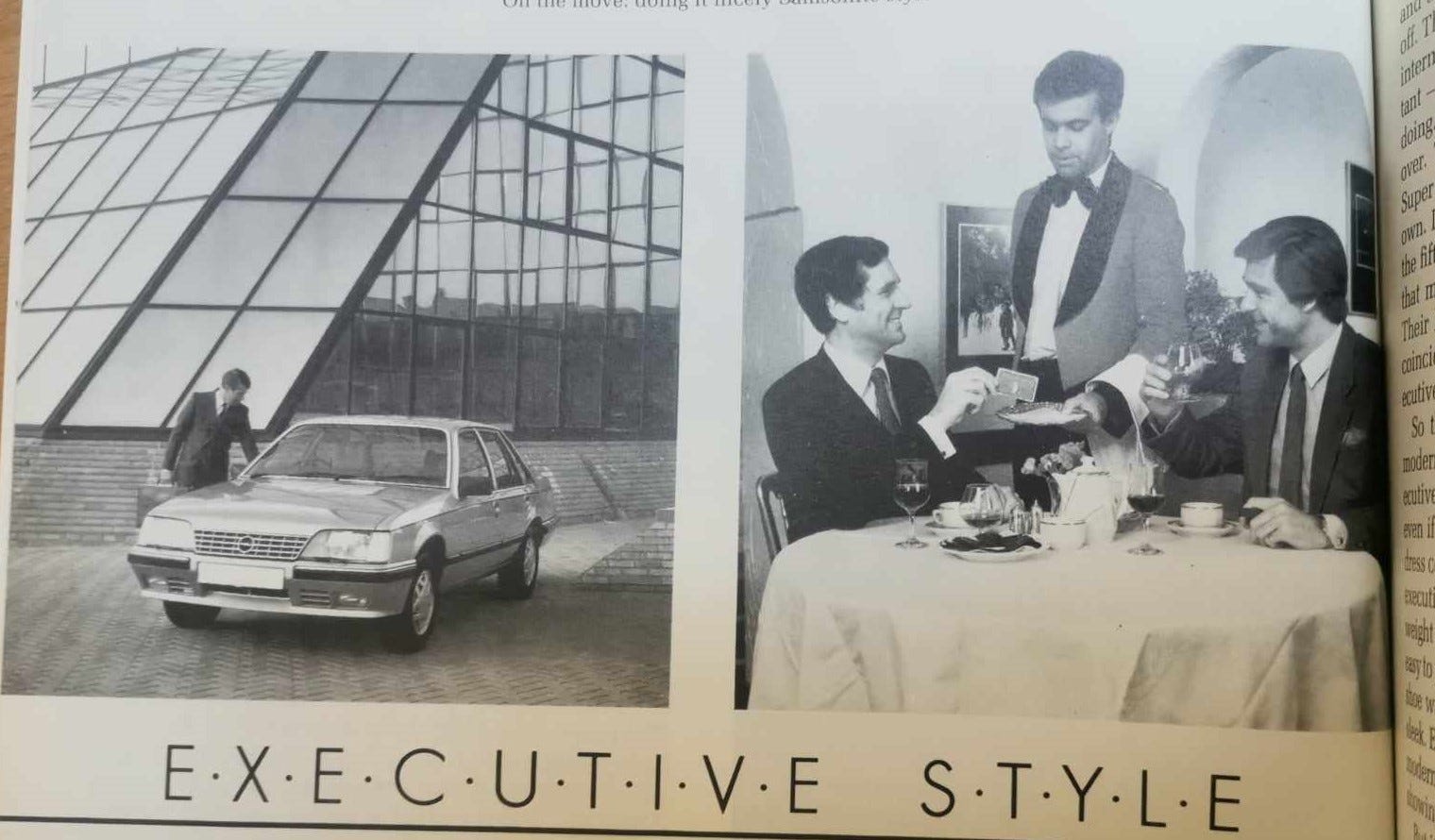
York is definitely wrong here, as Heaven17 ultimately projected forward, not least with the inclusion of the ponytails to create a kind of business-look-as-gang-as-subculture. The old image illustrated by York, looking backward, might have numerous labels such as ‘city gent’. A new look, of something like ‘young turks’ that would come to be called yuppie, was not in evidence.
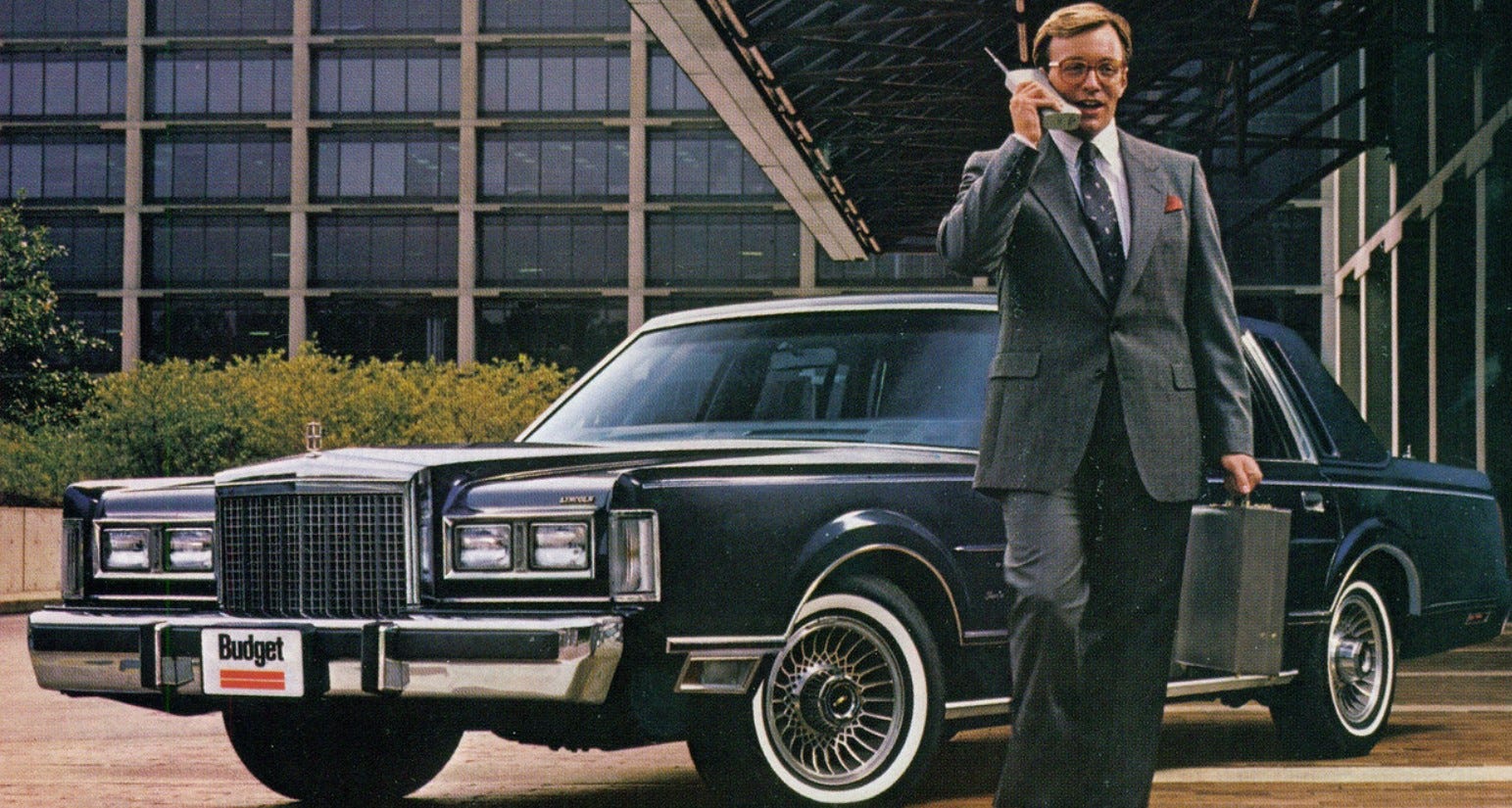
We attribute the word yuppie to this look thinking of it as an overarching term for Thatcher’s 80s, but the term did not gain currency until the mid-80s (nominally after the 1986 boom), a considerable time after Heaven 17/BEF adopting the look. A ‘boring’ business look and associated ostentation ran through the whole of the 1980s, a continuity of York’s observation and assertion. Here is an advert from 1987, which feels more backward-looking and ‘classic’ in terms of style…
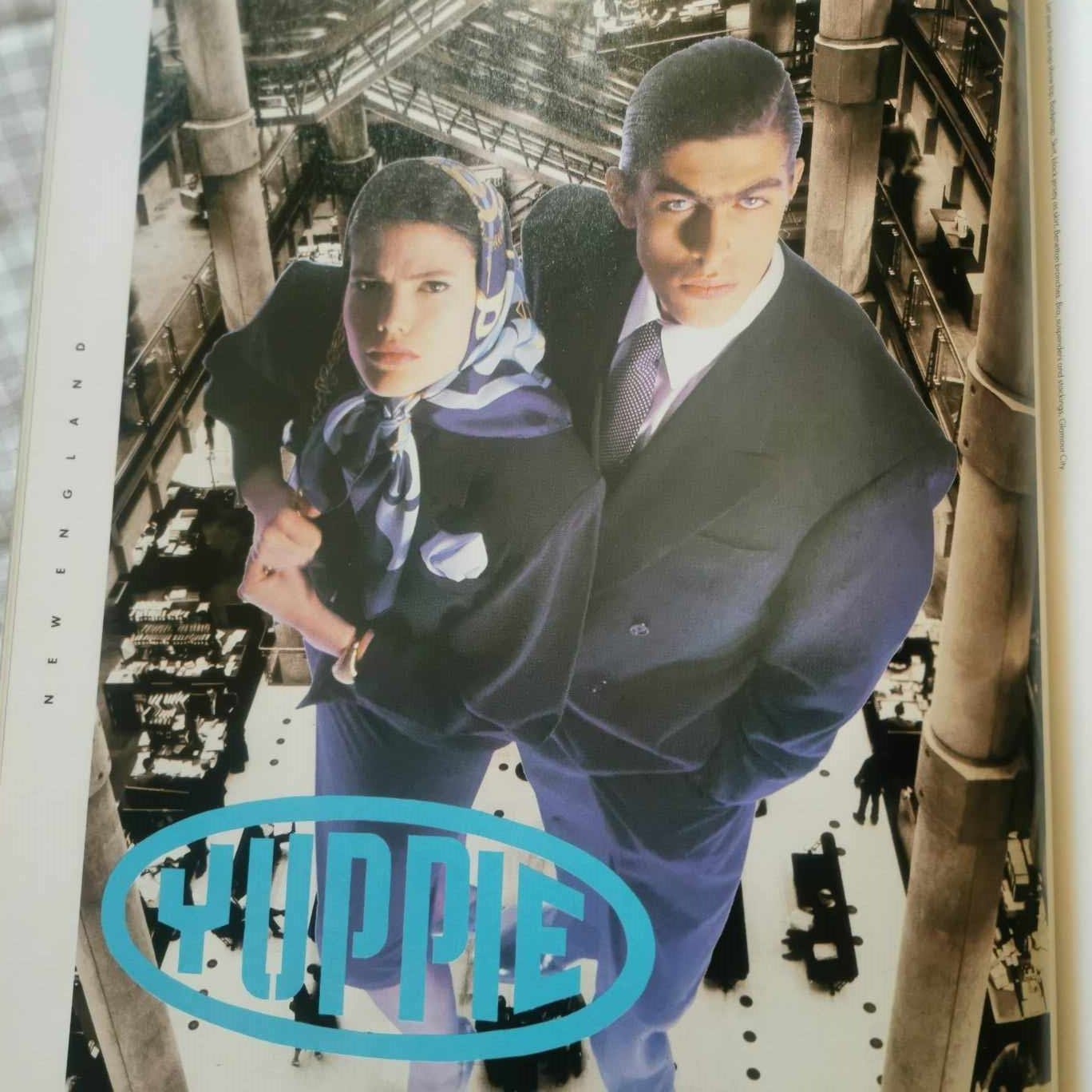
It is surprisingly difficult to track and locate the term. A newspaper database search reveals very little, with a single introductory use in The Guardian for June 1985 in an article on property trends and gentrification of London’s previously working-class areas. There is an earlier, single, use in the Daily Express, though this refers to the term’s initial use in a Manhattan context where the term originated and spread with The Yuppie Handbook (1984) by Marissa Piesman and Marilee Hartley. As a name ascribed to a look, The Face flags it as one of the future style tribes in a prophetic feature called ‘New England’ in their August 1986 issue – a long way from 1981 and Heaven 17’s creating of a futuristic and youthful corporate image.
Taking a view from the other side, anarchist newspaper Class War set its sights on various manifestations of the moneyed class through the decade. They initially referred to ‘toffs’ in 1983, then ‘Hoorah/Hooray Henries’ in 1985 (with a single mention of yuppies), though by 1987/8 the yuppie was the focus of their ire with conspicuous consumption, gentrification (wine bars) and displacement of working-class communities. Their (in)famous “filo-fucked” front cover was not published until 1988, not doubt coming after the autumn 1987 ‘Black Monday’ crash of US neoliberalist financial markets. The yuppie was, in some ways, an awkward term for Class War, as it commonly consisted of working-class people made good rather than more obvious lines of class-dependent privileges. The Hoorah Henry is more class-based, a point made by Graham Stewart in his 2013 book on the 80s BANG!, who identified them as a direct counterpart to the Sloan and depicted in Brideshead Revisited as part of the ‘old money’ era (I will return to Stewart’s BANG! in the conclusion as he gets in a typical twist about Heaven 17 and yuppies).
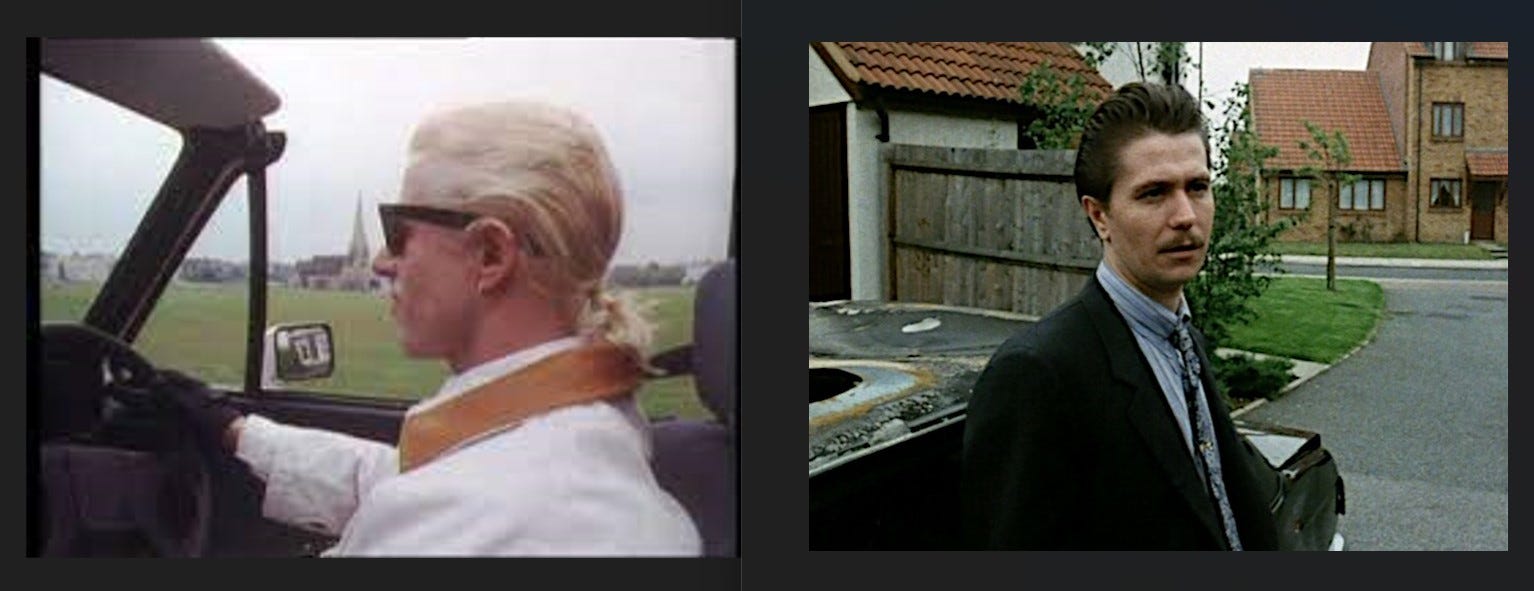
By 1987 Peter York is using the term in a briefing to the advertising body Campaign, and men’s clothing historian Frank Mort refers to a Financial Times article on the “recovery of the suit” in 1987. The next year, 1988, tabloid newspaper The Sun is championing the term, and as the decade plays out we have the dramas Capital City (ITV 1989) and Chancer (BBC 1990) that have the yuppie culture as a central theme. The Alan Clarke TV film The Firm 1989 has the key characters and violent football hooligans ‘Bex’ and ‘Yeti’ as working-class-made-good estate agents extolling the symbols of yuppie culture such as the Golf GTi and turbocharged Ford XR4x4 cars. They almost pass for a version of Heaven 17, reimagined through the lens of violent films that bookend the decade, starting with the band’s 1981 borrowing from A Clockwork Orange and ending with Alan Clarke’s bleak and violent portrayal of terrace culture via a yuppie filter.